If you are budgeting for a full interior refresh, a four bedroom home is one of the most common project sizes homeowners ask about in Georgia. The reason is simple. It is large enough to include multiple bedrooms, hallways, and usually at least one open living space. At the same time, it is still a realistic scope for a well planned repaint.
This guide breaks down the cost to paint the interior of a typical four bedroom home in Georgia using a clear pricing structure that homeowners can understand. You will see realistic per square foot ranges, room based averages, and a full list of cost drivers like prep work, paint quality, color change, trim detail, and ceilings.
You will also learn how to compare quotes the right way, because pricing differences often come from what is included in the scope. National sources consistently show interior painting commonly falls in the range of about 2 to 6 per square foot depending on scope and location, with factors like prep work and room complexity shifting totals up or down.
To go into the room-by-room pricing and options, refer article to How Much Does It Cost to Paint the Interior of a House, exploring what is the average cost to paint the interior of a house.
What Counts as a Four Bedroom Interior Paint Project
A four bedroom interior paint project usually includes these spaces.
-
Four bedrooms
-
Living room or family room
-
Kitchen and dining area
-
Hallways and entry
-
Bathrooms
-
Laundry or utility space
-
Closets and doors
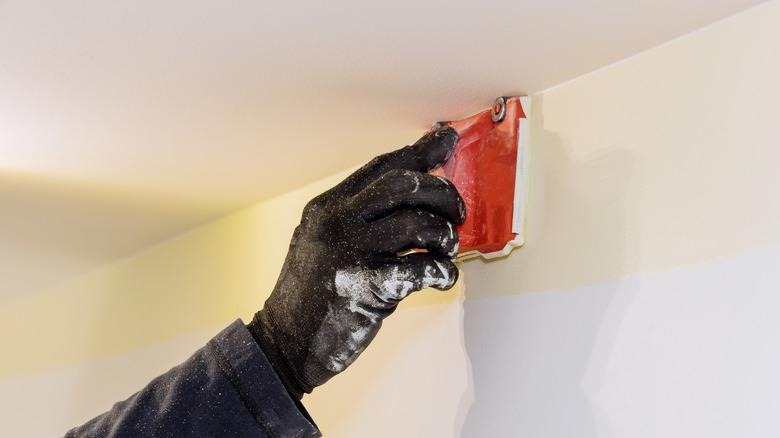
Some homeowners want walls only. Others want walls, ceilings, trim, baseboards, doors, and sometimes cabinets. These choices change the total more than most people expect.
When you compare estimates, always confirm whether the quote includes these items.
-
Walls only
-
Ceilings
-
Trim and baseboards
-
Doors and frames
-
Closet interiors
-
Minor drywall repair and patching
-
Primer for stains or color changes
-
Two coats versus one coat
Many cost sources explain that pricing changes significantly depending on prep and how many surfaces are included, not only the floor plan size.
Average Cost to Paint Interior of a 4 Bedroom House in Georgia
A common way to estimate a four bedroom home is to use the home footprint range many four bedroom houses fall into. In Georgia, many four bedroom homes range from about 1800 to 2800 square feet. Some are larger, but that range covers a large portion of typical family homes.
Using the widely cited interior painting range of about 2 to 6 per square foot, a rough planning range for walls only often lands between about 3600 and 16800 depending on square footage and scope quality.
That is a big spread. The goal is to narrow it using real scope choices and realistic surface assumptions.
A helpful benchmark from Thumbtack shows examples by house size. Their national data includes ranges like 1400 square feet at about 5401 to 9026 and 1600 square feet at about 6679 to 11162, with a per square foot average listed in the mid four to six range in that dataset.
Atlanta specific guidance from Angi also cites interior costs around 2 to 6 per square foot, and notes that prep work like drywall repair can add about 0.50 to 3 per square foot depending on needs.
So a realistic Georgia planning range for many four bedroom homes looks like this.
-
Walls only with standard prep often lands around 4000 to 9000
-
Walls plus ceilings plus trim and doors often lands around 7000 to 15000
-
High prep older homes or premium finish levels can go higher
These numbers are not a quote. They are a framework so you can understand your estimate.
Full Pricing Breakdown by Square Foot and Room
This section is the practical pricing breakdown homeowners want. It includes per square foot planning ranges and room level estimates you can use to build a realistic budget.
Pricing Breakdown by Square Foot in Georgia
Most national sources cluster interior painting costs in a band around 2 to 6 per square foot for professional work, with the exact total depending on scope and region.
Here is a practical breakdown homeowners can use.
-
Economy repaint with minimal repairs and one color: 2 to 3.25 per square foot
-
Standard repaint with typical prep and two coat coverage: 3.25 to 4.75 per square foot
-
Premium repaint with multiple colors, detailed trim, more repairs: 4.75 to 6 plus per square foot
Homewyse often publishes higher modeled estimates depending on options and local conditions, which is a reminder that scope choices can push totals up quickly.
Room by Room Pricing for a Four Bedroom Home
The table below uses common room categories to show realistic ranges. Costs vary by wall height, trim detail, condition, and whether ceilings and doors are included.
|
Area or Room Type |
Average Cost Range |
Cost per Sq. Ft. |
Notes |
|---|---|---|---|
|
Standard Bedroom |
$400 to $900 |
$2.50 to $4.50 |
Includes walls with standard prep. Ceilings and trim may cost extra |
|
Primary Bedroom |
$650 to $1,400 |
$2.75 to $5.00 |
Larger wall area and additional cut in work |
|
Living Room or Family Room |
$800 to $1,800 |
$2.75 to $5.25 |
Open layouts with doors and windows increase labor |
|
Kitchen Walls Only |
$500 to $1,200 |
$3.00 to $6.00 |
Extra cut ins around cabinets and appliances |
|
Hallways and Entry Areas |
$450 to $1,200 |
$3.00 to $6.00 |
High traffic areas often require durable finishes |
|
Bathroom Walls Only |
$250 to $650 |
$2.50 to $5.50 |
Moisture resistant paint recommended |
|
Trim and Baseboards Whole House |
$1,200 to $3,500 |
Varies |
Depends on linear footage and trim detail |
|
Interior Doors Per Door |
$80 to $200 |
Varies |
Panel design and prep work affect pricing |
These are planning ranges built from common cost guidance and typical project realities. Multiple sources emphasize that room complexity and prep needs shift totals as much as the square footage.
Full House Example for a Typical Four Bedroom Home
To make the numbers feel real, here is a sample four bedroom scope with a full budget build. This is not a quote. It is a realistic sample to help you understand how totals form.
Assume a four bedroom home around 2200 square feet.
Walls only repaint with standard prep, mostly one color, two coats in main areas.
-
Four bedrooms total: 2200 to 4200
-
Living room: 900 to 1600
-
Kitchen walls only: 650 to 1100
-
Hallways and entry: 650 to 1200
-
Two bathrooms: 600 to 1200
-
Subtotal walls only: about 5000 to 9300
Now add common add ons.
-
Ceilings in main areas: 900 to 2200
-
Trim and baseboards: 1200 to 3500
-
Interior doors: 800 to 2000 depending on count
-
Extra drywall repairs and stain blocking: varies, often noticeable in older homes
Total for walls plus common add ons often ends up around 7500 to 15000 depending on finish level and condition.
What Is Included and What Often Costs Extra
Many homeowners assume painting is painting. In practice, professional estimates differ because scopes differ.
A quote that seems cheaper may be missing important prep or may exclude ceilings and trim. A quote that is higher may include repair work, primer, and a more durable product system.
Usually Included in a Standard Professional Quote
-
Surface protection for floors and furniture
-
Light prep such as minor sanding and spot patching
-
Basic caulking in small gaps
-
Two coats where coverage requires it
-
Cleanup and debris removal
Often Priced Separately
-
Major drywall repair and texture matching
-
Stain blocking primer for smoke or water marks
-
Wallpaper removal
-
High ceiling areas or stairwells
-
Closet interiors
-
Trim and baseboards if not included
-
Doors and frames if not included
-
Multiple color changes across rooms
Factors That Influence Interior Painting Costs in Georgia
If you want the most accurate budget, these are the variables that matter most.
Home Size and Ceiling Height
A four bedroom layout with tall ceilings can cost much more than the same square footage with standard ceilings. More height means more wall area and more time cutting in edges. Wall height as a major cost variable, and also notes that ceilings and woodwork increase total costs.
Wall Condition and Prep Work
Prep is where paint jobs succeed or fail. It is also where budget differences happen. If your home has cracks, nail pops, uneven drywall seams, or glossy oil paint, prep time increases. When prep increases, labor increases. Prep requirements and paint type can significantly change cost.
Paint Quality and Finish Level
Paint is not just color. It is performance. Washable paints cost more but reduce long term touch up frequency. Scuff resistant products are valuable in hallways and kids rooms. Moisture resistant products are valuable in bathrooms. Paint type, gloss level, and number of coats influence total cost, especially when switching colors.
Trim Detail and Doors
Trim can add significant time. A home with ornate crown molding, tall baseboards, or multiple panel doors requires careful brushwork and more masking. Trim work can be priced differently than walls and can be quoted by linear foot.
Regional Pricing Differences Inside Georgia
Interior painting rates may be different across Georgia depending on local labor markets and demand. Metro areas often price differently than rural areas. Seasonal scheduling can also influence availability and pricing.
Paint Choices That Affect Price and Performance
Paint selection is a budget line item, but it is also a longevity decision.
Common Sheens and Where They Fit
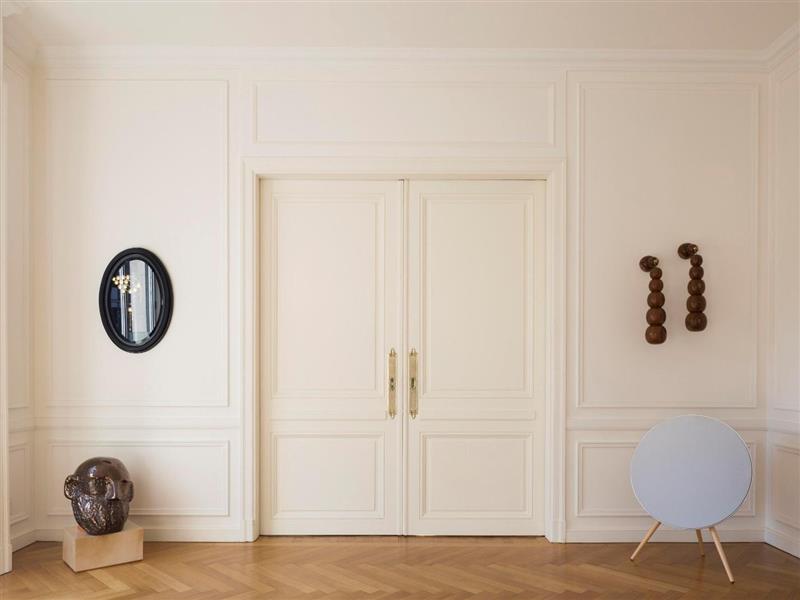
Flat and matte work well for ceilings and low traffic walls. They hide imperfections but are less washable. Eggshell is one of the most common wall finishes in living spaces. It balances appearance and cleanability. Satin is often chosen for high traffic rooms because it is easier to wipe clean. Semi gloss is commonly used for trim, baseboards, and doors because it handles repeated cleaning.
These are common industry norms, and many cost sources tie sheen choice to both appearance and cost.
One Color vs Multiple Colors
A single neutral color across the home is usually the most budget friendly choice because it reduces cutting in complexity and reduces paint waste. Multiple colors increase labor because each color boundary requires clean lines and extra masking. Deep colors may require additional coats for coverage.
Primer Decisions
Primer is not always needed, but it matters in these cases.
-
Covering stains like smoke or water marks
-
Covering glossy surfaces
-
Changing from a deep color to a light color
-
Painting new drywall
Best Practices for Long Lasting Results
Interior painting is an investment. The goal is not only a fresh look. The goal is a finish that holds up for years. Quality results come from a strong system. That means good prep, the right product for each room, and realistic expectations for maintenance.
Many homeowners save money by choosing the lowest quote, then repaint sooner than expected because the finish fails early. It is usually cheaper long term to choose a scope that includes proper prep and durable paint in the right places.
Invest in quality preparation
Preparation is where durability begins. When walls are cleaned, patched, sanded, and properly primed, paint bonds better and looks smoother.
Prep work and repair can add meaningful cost, but it is often the difference between a finish that lasts and one that fails early.
Choose appropriate paint grades
Not every room needs the same product. Bedrooms may not need the most premium scrubbable formula, but hallways, kitchens, and kids rooms benefit from washable paint systems.
Choosing the right paint grade for each space can reduce long term maintenance and keep the interior looking fresh longer.
Plan for regular maintenance
A full repaint is not always the only answer. Many homeowners maintain their interior by doing periodic touch ups in high scuff areas. This is especially helpful in busy family homes with pets or children.
Keeping extra labeled paint for future touch ups is a simple habit that prevents walls from looking worn before their time.
Consider climate factors
Georgia humidity affects curing and moisture exposure in kitchens and bathrooms. Moisture resistant formulations and proper ventilation planning are helpful in these spaces.
Local conditions also influence scheduling, which matters for both quality and comfort during the project.
When to Schedule Your Project in Georgia
Timing can influence both availability and pricing.
Interior painting timing
Interior painting can be done year round in Georgia. Many homeowners schedule during cooler months because crews often have more flexibility and the home stays closed up with stable indoor temperatures.
That can be helpful if you want a smoother scheduling process.
Exterior painting timing
Exterior painting depends more on weather windows. Many guides and contractors recommend mild seasons because extreme heat and high humidity can affect application and comfort.
Avoid peak heat months
In the hottest months, crews may need more breaks and paint may behave differently on exterior surfaces. For interiors, cooling costs and ventilation comfort may also become factors.
DIY vs Professional Interior Painting
DIY painting can reduce labor costs, but it increases time investment and increases risk.
Common DIY issues include uneven cut lines, roller marks, inconsistent sheen, and missed prep. These issues are more likely in large homes because fatigue and time constraints affect consistency.
Professional painting tends to deliver a more uniform finish, better edge work, cleaner transitions, and stronger prep standards.
Many cost guides note labor is a large portion of overall cost, often the majority, which explains why DIY can seem cheaper up front.
How to Get an Accurate Quote Without Overpaying
A good estimate is detailed and easy to compare.
When you request quotes, ask for these items in writing.
-
Exactly which rooms are included
-
Whether ceilings are included
-
Whether trim and baseboards are included
-
Whether doors and frames are included
-
How many coats are included
-
Whether primer is included and where
-
What prep work is included
-
Which paint line will be used
-
Whether furniture moving is included
-
How scheduling and completion dates are handled
If your home was built before 1978, ask how the painter handles lead paint risk during prep and sanding. Older homes may require special handling due to potential lead paint.
A simple way to compare quotes
Compare by scope first, then by price. If one quote is lower, check what is missing. It may exclude ceilings, trim, doors, or repairs. If one quote is higher, check what it includes. It may include major prep, premium paint, or more detailed finish work.
For homeowners who want a clear scope and a practical plan, Rodriguez Painting Georgia can provide a detailed proposal that explains inclusions clearly without pushing upgrades you do not need.
At Rodriguez Painting Georgia you can hire our professional painters for a quick scope review and timeline, or request a free estimate. Call us at 678-355-6162 and get a free quote today.
Conclusion
The cost to paint the interior of a four bedroom home in Georgia depends on size, scope, and finish level. A simple wall only repaint may fit in a mid range budget, while a full interior refresh with ceilings, trim, doors, and repairs moves into a higher tier.
The best way to plan is to start with realistic per square foot ranges, then confirm what is included. When your scope is clear, your estimate becomes accurate. That is when budgeting becomes easier and you avoid surprise add ons.
To go into the room-by-room pricing and options, refer article to How Much Does It Cost to Paint the Interior of a House, exploring what is the average cost to paint the interior of a house.
Ready to price your four bedroom interior project with a clear scope and honest numbers?
Contact Rodriguez Painting Georgia today or call us at 678-355-6162 for a detailed interior painting estimate that matches your home and your finish goals.
FAQs
What is the average cost to paint an interior 4 bedroom house in Georgia?
Many four bedroom homes fall into a wide range because sizes vary. Using common cost guidance of about 2 to 6 per square foot and adjusting for scope, many Georgia homeowners see totals that often land in the mid thousands for walls only, and higher for full scope projects with trim, doors, ceilings, and prep work.
Why do interior painting quotes vary so much?
Quotes vary because scopes vary. Prep work, number of coats, paint quality, and included surfaces like ceilings and trim change labor time and material costs. Prep work can add a noticeable per square foot amount in some cases.
Is it cheaper to paint one room at a time or the whole house?
Whole house projects often reduce setup time per room, so the per room cost can be better. Room by room painting can feel easier financially, but it can cost more over time due to repeated setup and scheduling.
What paint finish is best for bedrooms and hallways?
Eggshell is common for bedrooms and living areas because it balances look and cleanability. Satin is often preferred for hallways and other high traffic areas due to easier cleaning. Semi gloss is typically used for trim and doors.
How can I keep my interior paint looking fresh longer?
Prioritize prep work, use durable washable products in high traffic areas, keep leftover paint for touch ups, and address scuffs early instead of waiting until the whole space looks worn.