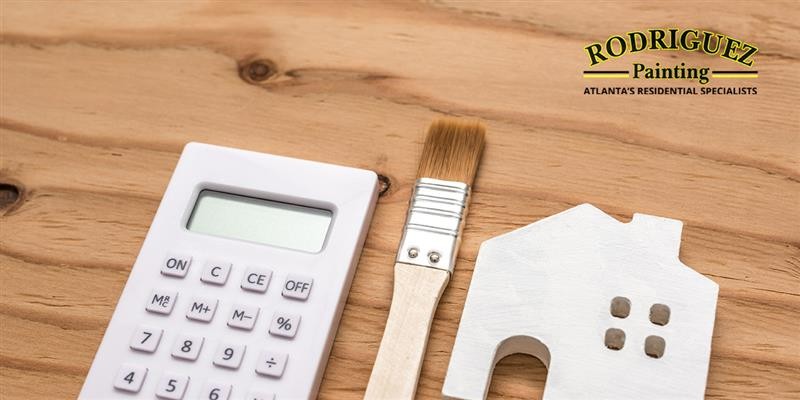
If you’re planning an interior refresh in Georgia, the first question is obvious: What’s the real cost to paint the interior of a house, especially a 1,000 sq. ft. home? The truth is, pricing isn’t one-size-fits-all. It varies with square footage, wall condition, prep work, paint quality, ceiling height, trim complexity, and local labor rates.
For a clear estimate, it helps to understand per-square-foot pricing, how rooms are scoped, and which factors move costs up or down in different Georgia markets. National data puts most interior projects in the $2–$6 per sq. ft. range (walls only), with an overall interior average around $2,000–$2,500 depending on project scope and location.
For a 1,000 sq. ft. interior, a realistic ballpark for walls only is $2,000–$4,000 at $2–$4 per sq. ft., with add-ons for ceilings, trim, doors, repairs, primer, or color changes that may raise the total.
To go into the room-by-room pricing and options, refer article to How Much Does It Cost to Paint the Interior of a House, exploring what is the average cost to paint the interior of a house.
Why Interior Painting Matters for 1,500 Sq. Ft. Home?
A quality interior paint job does more than change the look; it protects surfaces, improves cleanability, and supports healthy indoor air (especially with low-VOC or zero-VOC products). Well-planned projects help prevent flashing, peeling, and scuffing—issues that show up fastest in high-traffic areas like hallways, kitchens, stairwells, and kids’ rooms.
If you’re considering resale, a neutral, cohesive palette helps photos stand out, makes spaces feel larger and brighter, and can support perceived value with buyers.
For a 1,500 sq. ft. home, interior painting is also a smart lifecycle investment. Modern coatings offer better washability and stain resistance, extending the time between repaints (often 5–10 years with proper prep and two-coat coverage). Choosing the right sheen in the right room—eggshell for main living areas, satin for kitchens and baths, semi-gloss for trim and doors—balances durability, touch-up ease, and light reflectance (LRV) so rooms look cleaner, longer.
Comfort & health benefits go beyond aesthetics
-
Air quality: Low-VOC systems keep odors down and reduce indoor pollutants—useful for bedrooms and nurseries.
-
Moisture management: Bath & Kitchen lines add mildew-resistance and better film integrity in humid zones.
-
Allergy-friendly surfaces: Smooth, properly sealed walls trap less dust and are easier to wipe down.
-
Lighting & energy feel: Lighter neutrals bounce natural light, reducing the need for heavy daytime lighting and making spaces feel more open.
From a maintenance perspective, a well-specified system (spot repairs, stain-blocking primer, and two-coat coverage) reduces frequent touch-ups on corners, baseboards, and hand-height areas. In open-concept plans, painting the entire level at once ensures unified color transitions and crisply cut lines across long sightlines—details that elevate the overall fit-and-finish of a 1,500 sq. ft. home.
Fast math for 1,000 sq. ft. Georgia-ready home
Walls only: $2,000–$4,000 (assuming $2–$4 per sq. ft. of paintable wall area).
-
This ballpark assumes standard 8–9 ft ceilings, typical two-coat coverage on walls, minor patching/caulking, and mid-tier low-VOC paint.
-
Excludes ceilings, trim/doors, cabinet fronts, heavy repairs (skim coat, texture removal), and specialty finishes (murals, Venetian, metallics).
Walls, ceilings & trim package: typically $3.50–$5.00+ per sq. ft. of painted surface, depending on height, detail, and coats—placing a full-scope project around $3,500–$5,000+.
-
Adds labor for cut lines, ceiling rolling, crown/base, window/door casings, and doors (often priced per door or linear foot of trim).
-
Taller walls (10–12 ft), elaborate profiles, and stain-blocking primer for color changes can push the per-foot rate higher.
Why Georgia can differ:
Local labor rates and seasonal demand in Metro Atlanta, Savannah, Augusta, and Athens influence totals.
-
Peak season (spring–summer): crews book out faster; quotes may trend to the upper end of ranges.
-
Off-season (late fall–winter): more scheduling flexibility; some projects land in the lower-to-mid bands.
-
Material pricing (primer/topcoat lines, zero-VOC upgrades) and regional delivery logistics also nudge totals.
Use this as a quick planning tool. Your final proposal may vary based on surface condition, scope, and finish level.
|
Area / Room Type |
Average Cost Range |
Cost per Sq. Ft. |
Notes |
|---|---|---|---|
|
Bedroom (10×12) |
$300 – $700 |
$2.50 – $4.00 |
Includes ceiling & trim when specified |
|
Living Room |
$600 – $1,200 |
$2.50 – $4.50 |
Taller walls/vaulted ceilings cost more |
|
Kitchen |
$400 – $800 |
$3.00 – $5.00 |
Degreasing, stain-blocking primer may be needed |
|
Bathroom |
$200 – $500 |
$2.00 – $3.50 |
Moisture-resistant products recommended |
|
1,000 sq. ft. (walls) |
$2,000 – $4,000 |
$2.00 – $4.00 |
Base ballpark for walls only |
|
1,000 sq. ft. (full-scope) |
$3,500 – $5,000+ |
$3.50 – $5.00+ |
Walls + ceilings + trim; project-dependent |
According to HomeAdvisor, painting a home’s interior typically averages around $2,022, with $2–$6 per sq. ft. common depending on scope and location.
Key Factors That Influence Georgia Interior Painting Costs
Here are some key factors that influence the cost of Georgia interior house painting:
Square Footage, Layout, and Height
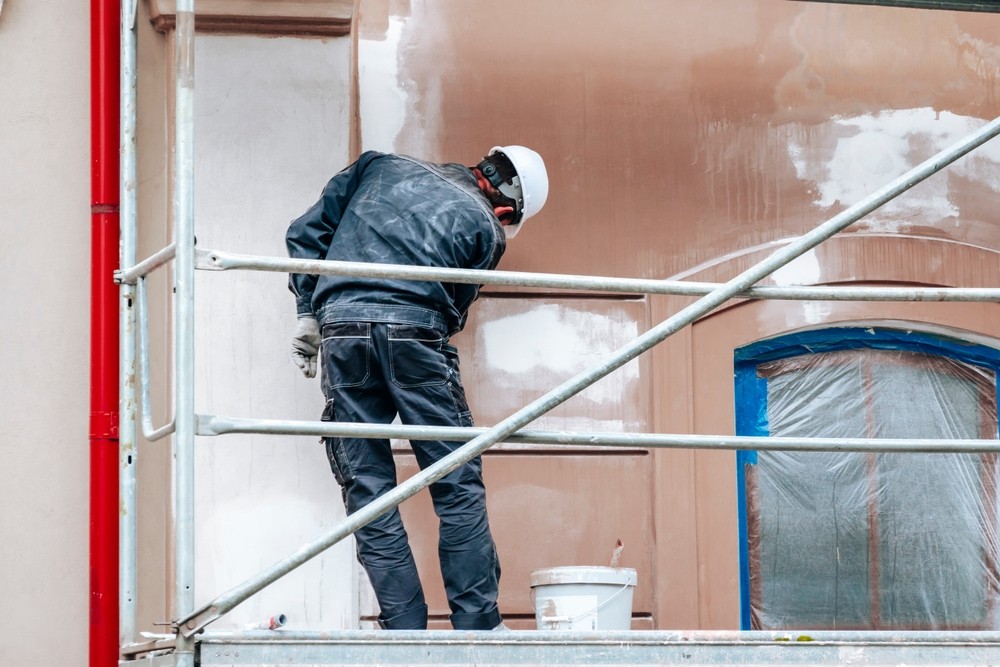
Larger square footage increases material use and labor time, while open layouts with fewer breaks can be faster to paint. High ceilings, stairwells, and vaulted spaces require ladders or scaffolding, adding setup time, safety measures, and cost per square foot.
Wall Condition and Prep Work
Wall preparation has a major impact on interior painting costs. Cracks, nail holes, dents, peeling paint, grease stains, or previous uneven finishes must be repaired before painting. Tasks like patching drywall, sanding, caulking gaps, and applying stain-blocking primer increase labor time but are essential for smooth coverage, proper adhesion, and long-lasting results.
Paint System & Sheen Selection
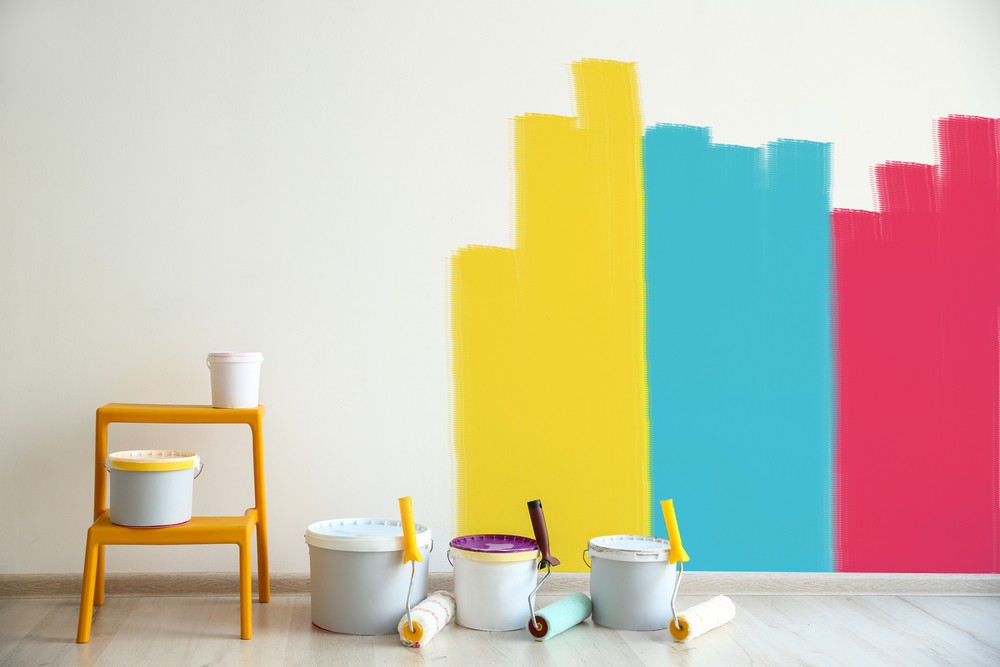
Your paint system includes primer (when needed) plus one or two finish coats. Primer improves adhesion, blocks stains, and helps major color changes. For sheens, choose eggshell for most walls, satin for higher-traffic areas, and semi-gloss for trim/doors for durability and easy cleaning.
Number of Coats & Color Change
Color changes significantly affect interior painting costs. Switching from dark to light shades, bold colors, or high-gloss finishes often requires a primer and two full coats for even coverage. Additional coats increase labor time, paint usage, and drying intervals, raising the overall project cost while ensuring a durable, professional finish.
What’s Included (Ceilings, Trim, Doors)
Interior painting quotes often separate walls from ceilings, trim, and doors. Ceilings are priced by height and texture, trim by linear feet, and doors per unit. Detailed molding, multiple doors, and high ceilings increase labor due to masking, sanding, and precise cut lines.
Labor Rates & Seasonality in Georgia
Interior painting labor rates in Georgia typically range from $40–$70 per hour, depending on the city and crew experience. Demand peaks in spring and summer, often increasing prices. During fall and winter, painters may offer better availability and more competitive pricing due to lower demand.
Getting Accurate Interior Painting Estimates in Georgia
Getting an accurate interior painting estimate is essential if you want to avoid unexpected costs later. A detailed quote helps you compare services fairly and ensures you’re paying for the full scope of work — not just the paint on the walls. In Georgia, pricing can vary by city, season, and contractor availability, which makes clarity even more important.
A professional estimate should reflect your home’s exact needs, from square footage to surface condition. The more information you provide upfront, the more precise and reliable your pricing will be.
What to Include in Your Quote Request
To receive the most accurate cost to paint the interior of a house, homeowners should provide contractors with clear project details.
Start with detailed measurements of each room or surface to be painted. This includes wall height, total square footage, and any stairwells or vaulted ceilings that may require additional labor.
Next, share the current condition of your walls, ceilings, and trim. Cracks, peeling paint, water stains, or nail holes can affect prep time and overall cost. Being transparent prevents pricing changes later.
Include your preferred paint brands and finish types, such as eggshell, satin, or semi-gloss. Higher-quality or specialty paints like low-VOC or moisture-resistant coatings may slightly increase material costs but improve durability.
Mention your timeline expectations and any scheduling flexibility. Projects scheduled during off-peak seasons in Georgia may offer better availability and smoother timelines.
Finally, note any special considerations, such as pet-friendly paints, allergy-sensitive products, or eco-friendly, low-VOC requirements. These details help contractors recommend the right materials from the start.
Comparing Interior Painting Contractor Quotes
Not all painting estimates are created equal. When comparing quotes, focus on what’s included — not just the final price.
Look for a detailed cost breakdown that separates labor, materials, surface preparation, and optional services like ceilings or trim. Itemized estimates make it easier to compare contractors fairly.
Always verify licensing and insurance. Reputable Georgia painting contractors should carry active licenses and liability coverage to protect your home and investment.
Ask for references or recent portfolios. Seeing completed projects and reading customer feedback provides insight into workmanship, cleanliness, and reliability.
Review the warranty terms carefully. Most professional interior painting services offer warranties ranging from 1 to 5 years, covering issues like peeling or premature fading.
Pay attention to the payment schedule. Avoid contractors who demand full payment upfront. A reasonable deposit with balance due upon completion is a safer, industry-standard approach.
Tip for Georgia Homeowners: The lowest quote isn’t always the best value. A well-documented estimate with clear scope, quality materials, and warranty protection often delivers better long-term results — and fewer surprises.
Choosing the right contractor starts with understanding the details behind the numbers.
Local Considerations in Georgia (Climate & Demand)
-
Humidity: In Metro Atlanta and coastal regions, humidity impacts dry time and product choice; mildew-resistant and bath/kitchen lines help.
-
Seasonality: Spring–Summer are peak months; Fall–Winter can offer more scheduling flexibility and occasionally better rates.
-
Regional labor: Labor bands vary by city; always request a written scope specifying coats, prep, and included surfaces to keep bids comparable.
Maximizing Your Painting Investment
Interior painting is not just about fresh color — it’s an investment in your home’s durability, comfort, and long-term value. Making smart choices before and after painting can significantly extend the life of your walls and reduce future repainting costs.
By focusing on preparation, materials, and timing, homeowners in Georgia can get better performance and longer-lasting results from their interior painting projects.
Best Practices for Long-Lasting Results
Invest in quality preparation
Surface preparation is the foundation of any successful paint job. Proper cleaning, patching drywall, sanding uneven areas, and priming can extend the lifespan of interior paint by 50–100%. Skipping this step often leads to peeling, cracking, or uneven finishes within a few years.
Choose appropriate paint grades
Not all paint is designed for the same purpose. High-traffic areas like hallways, kitchens, and children’s rooms benefit from durable, washable paints. Lower-use spaces may allow more flexibility, but matching the paint grade to surface exposure ensures consistent performance throughout the home.
Plan for regular maintenance
Interior walls don’t always need full repainting. Simple touch-ups every 2–3 years can prevent scuffs, fading, and minor damage from spreading. This approach keeps rooms looking fresh while delaying the need for a complete repaint.
Account for Georgia’s climate
Georgia’s humidity can affect paint curing and long-term adhesion. Moisture-resistant and low-VOC paint formulations perform better in these conditions, especially in kitchens, bathrooms, and laundry areas.
When to Schedule Your Painting Project
Timing plays a key role in both cost and results. Strategic scheduling can improve paint performance and help manage your budget.
Interior painting timelines
Interior projects can be completed year-round in Georgia. However, winter months often provide better availability and more flexible scheduling, which may translate into cost advantages.
Exterior painting windows
For exterior work, the most reliable periods are March–June and September–November, when temperatures are moderate and humidity levels are more stable.
Avoid peak heat months
During July and August, extreme heat can affect paint application and drying times. High temperatures also reduce worker efficiency, which can impact both quality and project timelines.
At Rodriguez Painting Georgia you can hire our professional painters for a quick scope review and timeline, or request a free estimate. Call us at 678-355-6162 and get a free quote today.
Conclusion
For Georgia homeowners, the cost to paint a 1000 sq ft house interior depends on scope, prep, product choice, and local labor—but planning with realistic per-sq-ft ranges and clear scope definitions keeps budgets on track. Use the table above to begin, then request a like-for-like written quote tailored to your rooms, finishes, and timeline.
To go into the room-by-room pricing and options, refer article to How Much Does It Cost to Paint the Interior of a House, exploring what is the average cost to paint the interior of a house.
Get Your Personalized Estimate
Ready to refresh your home interior? Contact Rodriguez Painting Georgia or call 678-355-6162 for a fast, line-item quote tailored to your 1,000 sq. ft. project.
FAQs
What’s the realistic cost to paint a 1,000 sq. ft. house interior in Georgia?
For walls only, plan $2,000–$4,000 at $2–$4 per sq. ft. Add ceilings, trim, and doors, and totals may reach $3,500–$5,000+ depending on height, repair needs, coats, and finish level.
Do painters charge by the room or by square foot?
Most references cite per-sq-ft pricing for interiors; some items (trim, doors) are priced separately, sometimes by linear foot.
What paint finishes are best for interiors?
Eggshell or satin for main areas, semi-gloss for trim/doors, and moisture-resistant formulas for baths/kitchens. Choose low-VOC lines for healthier air.
How many coats should I expect?
Most repaints assume two-coat coverage, with primer for drastic color changes or stain blocking.
How can I get the most accurate estimate in Georgia?
Request a written scope specifying rooms, surfaces, coats, brand/product line, patching/primer, and what’s included (ceilings/trim). Ask for a site visit to confirm the wall condition before scheduling.