Hiring an exterior painter without understanding price drivers can feel risky. One quote may include pressure washing, scraping, and primer. Another may price only basic paint and labor. A calculator helps you compare quotes fairly and budget with confidence.
This guide is built for homeowners in Georgia who want a clear way to estimate the cost to paint exterior of house before calling contractors. It is also written to support a service page experience for Rodriguez Painting Georgia without over branding.
You will get an exterior house painting cost estimator you can use right away. You will also learn what changes the final number in real projects.
To go into the exterior paint pricing and options, refer article to Exterior House Painting Costs Explained: Labor, Paint, and Square Foot Pricing, exploring what is the average cost to paint the exterior of a house.
What this exterior house painting cost estimator includes
This calculator focuses on the most common scope homeowners request.
-
It can estimate walls and siding painting. It can also add trim, soffits, fascia, shutters, and doors.
-
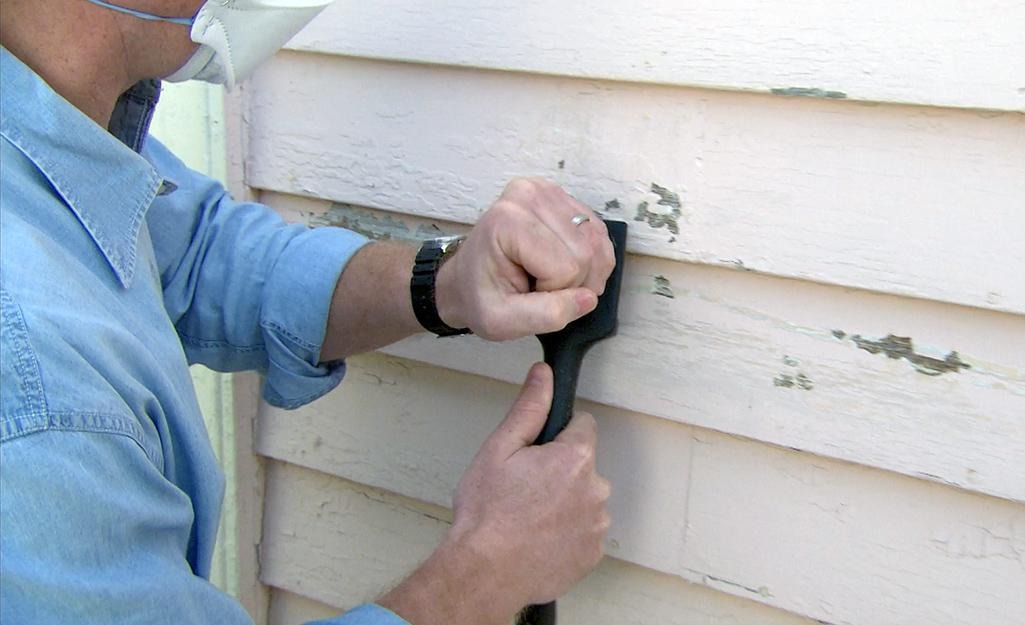
It accounts for prep work such as washing, scraping, caulking, patching, sanding, and spot priming.
-
It adjusts for number of stories and access difficulty.
-
It includes paint and labor assumptions.
-
It can include optional items like pressure washing, minor wood repair, or mildew treatment.
-
It does not replace an on site inspection. Hidden damage like rot can change the scope and price.
HomeAdvisor notes that exterior painting cost per square foot depends heavily on job complexity, accessibility, and prep needs, and repairs like rot add labor before painting.
Step 1: Estimate your paintable exterior area
Many homeowners start with home size in square feet. That is a floor area number. Painters price exterior based on paintable surface area.
A practical shortcut is to estimate the paintable area using home type.
Quick paintable area estimator
Use one of these simple starting points.
-
Single story home: Paintable area is often about 1.0 to 1.5 times the floor area.
-
Two story home: Paintable area is often about 1.5 to 2.0 times the floor area.
-
Homes with many gables, dormers, and bump outs: Paintable area can rise above 2.0 times the floor area.
This is a planning estimate. It is not a measurement.
If you want a more accurate number, measure the perimeter and wall height.
Perimeter method:
Perimeter in feet times average wall height in feet equals wall surface area. Then subtract large openings if you want a tighter estimate. Add gables separately if your home has them.
Step 2: Choose a baseline price per square foot
Baseline price is the easiest way to start. A common national range is $1.50 to $4.00 per square foot for exterior house painting.
If you want a simple baseline for budgeting, use these bands.
Economy scope:
-
$1.50 to $2.25 per square foot
-
Lighter prep, easier access, solid existing paint
Standard scope:
-
$2.25 to $3.25 per square foot
-
Typical prep, some scraping and caulking, average access
Premium scope:
-
$3.25 to $4.00 per square foot
-
Heavier prep, more detail work, or challenging access
If your home needs extensive scraping, peeling paint removal, or major primer coverage, the number can exceed standard ranges.
Step 3: Apply the key cost multipliers
This is where a calculator becomes useful. Exterior painting is not priced only by paint area. It is priced by time and risk.
Use these multipliers to adjust your estimate.
Multiplier A: Number of stories
-
One story: Multiplier 1.00
-
Two stories: Multiplier 1.25 to 1.50
-
Three stories: Multiplier 1.50 to 1.75
Many cost guides like Angi note that additional stories can increase cost because of ladders, safety, and slower production.
Multiplier B: Prep level
Light prep:
-
Multiplier 1.00
-
Wash and spot caulk only
Standard prep:
-
Multiplier 1.15
-
Wash, scrape small peeling areas, caulk joints, spot prime
Heavy prep:
-
Multiplier 1.30 to 1.60
-
Widespread peeling, sanding, patching, stain blocking primer, mildew removal
Multiplier C: Siding type
Siding impacts prep and coverage.
-
Vinyl and fiber cement: Multiplier 1.00 to 1.10
-
Wood siding: Multiplier 1.10 to 1.25. More prep risk, potential rot discovery
-
Stucco: Multiplier 1.10 to 1.30. Porous surface, more paint use, more texture coverage
-
Brick painting: Multiplier 1.15 to 1.35. Higher prep, masonry primer, and breathability concerns
Multiplier D: Detail complexity
-
Low detail: Multiplier 1.00. Few corners, minimal trim
-
Medium detail: Multiplier 1.10. Normal trim, shutters, fascia lines
-
High detail: Multiplier 1.20 to 1.35. Many windows, ornate trim, railings, multiple colors
Multiplier E: Paint grade
Paint quality changes the long term value and the immediate material cost.
-
Contractor grade exterior paint: Multiplier 1.00. Good for basic refresh
-
Premium exterior paint: Multiplier 1.10 to 1.20. Better color retention and durability
-
Specialty exterior systems: Multiplier 1.20 to 1.35. Elastomeric coatings for some masonry, stain blocking systems, higher build coatings
Step 4: Add paint and primer quantity checks
Paint coverage matters. It affects materials and time. A common coverage guideline is about 350 to 400 square feet per gallon for paint, with primer often covering less.
Use this as a planning rule:
Gallons needed paintable area divided by 350 equals gallons per coat, then multiply by number of coats.
Most professional projects use two coats for lasting coverage, especially during color change. Primer is not always required, but it is common on bare wood, patched areas, stain bleed, and severe color change.
Step 5: Include trim, doors, and extras
Walls and siding may be your main surface, but many homeowners want a complete exterior refresh.
Add these items if they are part of your scope.
-
Trim and fascia painting: Often priced as an add on because it is slower work.
-
Soffits and eaves: Often included with trim scope.
-
Shutters: Small items but time heavy if removed and sprayed.
-
Exterior doors: Often priced per door based on prep and drying time.
-
Pressure washing: Often included in prep, but sometimes priced separately.
-
Minor carpentry repairs: Small wood repairs can change scope.
If a quote excludes these items, your number will look lower but your final scope is not complete.
|
Area or Surface Type |
Average Cost Range |
Cost per Sq. Ft. |
Notes |
|---|---|---|---|
|
Single story home exterior |
$1,800 – $3,500 |
$1.50 – $3.00 |
Easier access, lower labor time |
|
Two story home exterior |
$3,000 – $6,000 |
$2.00 – $4.00 |
Ladder work and safety setup required |
|
Wood siding exterior |
$3,500 – $7,000 |
$2.50 – $4.50 |
Higher prep and maintenance needs |
|
Stucco exterior |
$4,000 – $8,000 |
$2.75 – $5.00 |
Porous surface, more paint usage |
|
Trim, fascia, soffits |
$500 – $2,000 |
Varies |
Detailed work, slower application |
|
Exterior doors and shutters |
$150 – $400 each |
Per item |
Depends on prep and finish |
These figures reflect realistic averages and assume proper preparation, quality exterior paint, and professional application.
Before starting your project, it’s important to understand the full cost breakdown—check out our detailed guide on exterior house painting costs, including labor, materials, and pricing per square foot.
Exterior house painting cost calculator formula
Here is a simple calculator you can use.
Estimated exterior painting cost:
Paintable area times base rate times story multiplier times prep multiplier times siding multiplier times detail multiplier times paint grade multiplier plus add ons.
Write it as a checklist:
-
Paintable area
-
Base rate per square foot
-
Stories
-
Prep level
-
Siding type
-
Detail level
-
Paint grade
-
Add ons
This is an estimator. The value is in transparency.
Example calculations for Georgia homeowners
Understanding how exterior painting prices change from one home to another is easier when you see real scenarios. These examples show how the same pricing method produces very different totals once prep work, siding type, and access are factored in. The goal is not to give an exact quote, but to help you understand why estimates vary.
Example 1: Single Story Home with Vinyl Siding and Minimal Prep
Imagine a single story home in Georgia with vinyl siding and solid existing paint. The estimated paintable exterior surface is around 1,800 square feet. Since the siding is smooth and in good condition, the project requires light prep such as washing and basic caulking.
Using a standard base rate of $2.25 per square foot, the starting cost is calculated from surface area alone. Because the home is single story, no access surcharge is applied. Prep work is light, and vinyl siding does not require heavy sanding or priming. The home has standard trim and average detail.
Once a mid range exterior paint grade is factored in for durability, the estimated total lands just under $5,000. This type of project is common for newer homes or properties that have been maintained well over time.
This example shows how straightforward projects stay closer to the lower end of the exterior painting cost range.
Example 2: Two Story Home with Wood Siding and Moderate Prep
Now consider a two story Georgia home with wood siding. The paintable surface area increases to about 2,600 square feet because of wall height and architectural features. Wood siding requires more prep than vinyl, including scraping loose paint, sanding rough areas, and applying primer to exposed wood.
The base rate increases slightly to $2.75 per square foot due to the added labor involved. Because the home has two stories, access becomes more complex, which slows production and raises labor time. Moderate peeling and weathering further increase prep requirements.
Additional trim, window surrounds, and fascia boards add detail work that requires careful brush application. A premium exterior paint is selected to handle sun exposure and moisture.
After adjusting for all these factors, the estimated cost reaches approximately $15,000 to $16,000. This scenario explains why wood sided homes often cost significantly more to paint than vinyl or fiber cement homes of similar size.
Example 3: Stucco Home with Heavy Prep and High Detail
In this scenario, the home features stucco exterior walls and multiple architectural details. The paintable surface area is roughly 2,400 square feet, but stucco absorbs more paint and requires thicker coverage. Prep work is heavy, including pressure washing, crack repair, and masonry primer.
A higher base rate of $3.25 per square foot is used due to the texture and material type. Although the home is two stories, the main cost increase comes from prep intensity rather than height alone. Detailed trim lines, decorative elements, and multiple color transitions further slow application.
A premium exterior coating system is selected to improve durability and resist cracking. Once all adjustments are applied, the estimated cost rises to the mid $20,000 range.
This example demonstrates how surface type and prep complexity can outweigh square footage when calculating the cost to paint exterior of a house.
What homeowners should confirm before comparing quotes
Comparing exterior painting quotes can be confusing because not all estimates include the same scope of work. A lower price does not always mean better value. In many cases, it simply means fewer services are included.
-
Homeowners should confirm is how many coats of paint are included. One coat may look acceptable at first, but it often fades faster and fails to protect the surface properly. Most long lasting exterior paint jobs require two full coats for even coverage and durability.
-
Check whether primer is included and where it will be applied. Primer is essential on bare wood, repaired areas, stained surfaces, and when changing from dark to light colors. If primer is excluded, the paint may not adhere well, leading to peeling or uneven finish.
-
Surface preparation should be clearly explained in the quote. This includes washing the exterior, scraping peeling paint, sanding rough areas, caulking gaps, and spot repairs. Prep work directly affects how long the paint lasts. Quotes that mention only basic cleaning usually underestimate the true scope.
-
Homeowners should also review which materials are specified. The paint brand, product line, and finish should be listed clearly. Exterior paint quality varies significantly, and higher quality paints provide better color retention, mildew resistance, and weather protection.
-
Protection of property is another key detail to confirm. The estimate should explain how landscaping, windows, walkways, and fixtures will be covered during the project. Proper protection prevents damage and cleanup issues.
-
Cleanup and disposal should not be overlooked. Exterior painting generates debris from scraping, masking, and sanding. A professional quote should state that all waste removal and final cleanup are included in the price.
-
Confirm whether the quote accounts for access challenges, such as two story walls, steep rooflines, or tight spaces. These factors increase labor time and safety requirements and should be reflected in the estimate.
When homeowners compare quotes based on these details rather than price alone, they are far more likely to choose a contractor who delivers lasting results instead of short term savings.
Georgia factors that affect exterior painting cost
Georgia’s climate has a direct impact on exterior painting costs. High humidity slows drying and curing, which often requires longer project timelines and moisture-resistant paint systems. In shaded areas, additional mildew prevention may be needed, increasing material and prep costs.
Sun exposure is another key factor. Homes with strong southern or western exposure experience faster fading and surface wear. To prevent premature failure, painters often recommend higher-quality exterior paints with improved UV resistance, which can raise upfront costs but extend paint life.
Seasonal rainfall also affects pricing. Exterior surfaces must be completely dry before painting, and frequent rain can delay progress or require additional cleaning and re-prepping. Homes surrounded by trees may need extra washing to remove pollen, algae, or organic buildup before coating.
Storm activity in Georgia can reveal minor damage such as loose trim or early wood deterioration. These issues must be repaired before painting to ensure proper adhesion, adding time and labor to the project.
Local labor demand varies by region and season. Metro areas often have higher labor rates, while peak spring and summer demand can affect scheduling and overall cost. Planning during slower periods may provide more flexibility.
Together, these Georgia-specific factors influence preparation needs, material selection, and labor time. Accounting for them helps homeowners understand why exterior painting estimates vary and how to plan for durable, long-lasting results.
Maximizing your painting investment
Exterior painting is a long term investment, not just a visual upgrade. The lifespan of your paint depends heavily on preparation quality, paint selection, and climate suitability. Proper surface cleaning, scraping, caulking, and priming help paint adhere better and resist peeling.
Choosing paint formulated for Georgia’s humidity improves durability and color retention. Planning minor touch ups every few years also prevents early failure and reduces the need for full repainting, saving money over time.
At Rodriguez Painting Georgia you can hire our professional exterior painters for a quick scope review and timeline, or request a free estimate. Call us at 678-355-6162 and get a free quote today.
Conclusion
A calculator gives you control before you hire. It helps you estimate the cost to paint exterior of house using paintable area, base price per square foot, and the multipliers that truly change project totals. It also helps you compare quotes based on scope, coats, prep, and materials.
When you know what drives cost, you can choose the right contractor with confidence and avoid under scoped bids that lead to change orders.
To go into the exterior paint pricing and options, refer article to Exterior House Painting Costs Explained: Labor, Paint, and Square Foot Pricing, exploring what is the average cost to paint the exterior of a house.
Ready to get a clear exterior estimate in Georgia?
Contact Rodriguez Painting Georgia today or call at 678-355-6162 for a written quote based on your home’s siding, prep needs, and finish goals.
FAQs
How much does it cost to paint the exterior of a house in Georgia?
Most homeowners in Georgia spend between $3,000 and $6,000, depending on home size, number of stories, surface condition, and paint quality.
Is exterior painting priced by square footage?
Yes. Painters usually calculate cost using paintable exterior surface area, not interior floor space.
Does exterior paint require primer?
Primer is often needed on bare wood, repaired areas, stained surfaces, or when changing from dark to light colors.
How often should a house exterior be repainted?
With proper prep and quality materials, exterior paint typically lasts 7 to 10 years in Georgia’s climate.
Can I reduce exterior painting costs?
Yes. Addressing minor repairs early, choosing durable paint, and scheduling during off peak seasons can help control costs.