Homeowners across Georgia often start with one question: what is the real cost to paint the exterior of a house. The answer depends on surface area, the number of stories, prep work, and paint selection, not just the size of the home on paper.
If you only compare bottom line quotes, it is easy to miss what is included. One estimate may include power washing, scraping, priming, caulking, and two coats. Another may price only walls, leaving trim, doors, fascia, and repairs as extras. That difference can change your budget fast.
This guide breaks down Georgia Exterior House Painting Costs in a clear way. You will see realistic per square foot ranges, where the money actually goes, and how to plan for long lasting results without overpaying.
How exterior painting is priced in Georgia
Most professional exterior painting is priced using one or more of these methods.
First is pricing by square foot of paintable surface. Many cost guides use a per square foot range for exterior work and then adjust for prep, height, trim detail, and paint quality.
Second is pricing by the size of the home, usually as a project range for homes like 1500 square feet or 2000 square feet. This can be helpful for ballparks but still depends on paintable wall area, not just floor space.
Third is itemized pricing. A detailed proposal breaks out walls, trim, doors, soffits, fascia, shutters, and repairs separately. This often helps homeowners compare quotes fairly because scope is clear.
If you want to compare quotes accurately, focus on three things.
-
What surfaces are included.
-
How much prep work is included. Three, how many coats and what paint system is included.
Average exterior painting cost by square foot
National cost guides commonly cite a range of about 1.50 to 4.00 per square foot for exterior house painting.
Some sources that include more detailed prep, trim, and higher access requirements show higher per square foot ranges, especially for more complex homes.
Another major cost guide reports a higher range specifically for exterior wall painting cost per square foot, which often reflects a more complete scope. So what is a realistic Georgia takeaway.
For many standard homes with typical siding and normal access, a common planning range is still close to 1.50 to 4.00 per square foot for base exterior painting.
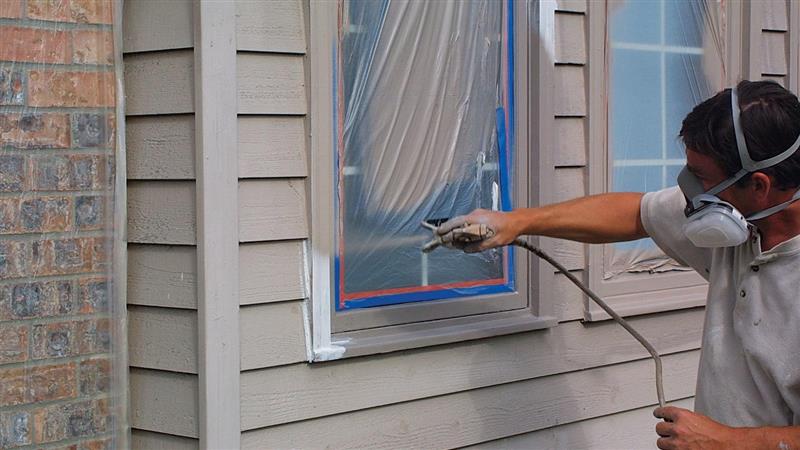
If your project includes heavier scraping, repairs, extensive trim, multiple stories, or equipment like lifts, your per square foot number can rise.
Exterior cost per square foot benchmark table
|
Scope level |
Typical pricing approach |
Planning range per square foot |
|---|---|---|
|
Base repaint, standard access |
Walls only, moderate prep |
1.50 to 4.00 |
|
Mid scope repaint |
Walls plus trim details, more prep |
2.84 to 5.28 |
|
Complex scope repaint |
Difficult access, lifts, extensive detail |
4.25 to 7.95 |
Use these as planning benchmarks, not as a final quote. A proper estimate depends on your surface area, the condition of the substrate, and what surfaces you want painted.
Labor costs explained
Labor is usually the biggest part of the exterior painting budget.
A cost guide focused on the overall painting process notes that labor often makes up the largest portion of a professional paint job, commonly around 70 to 80 percent.
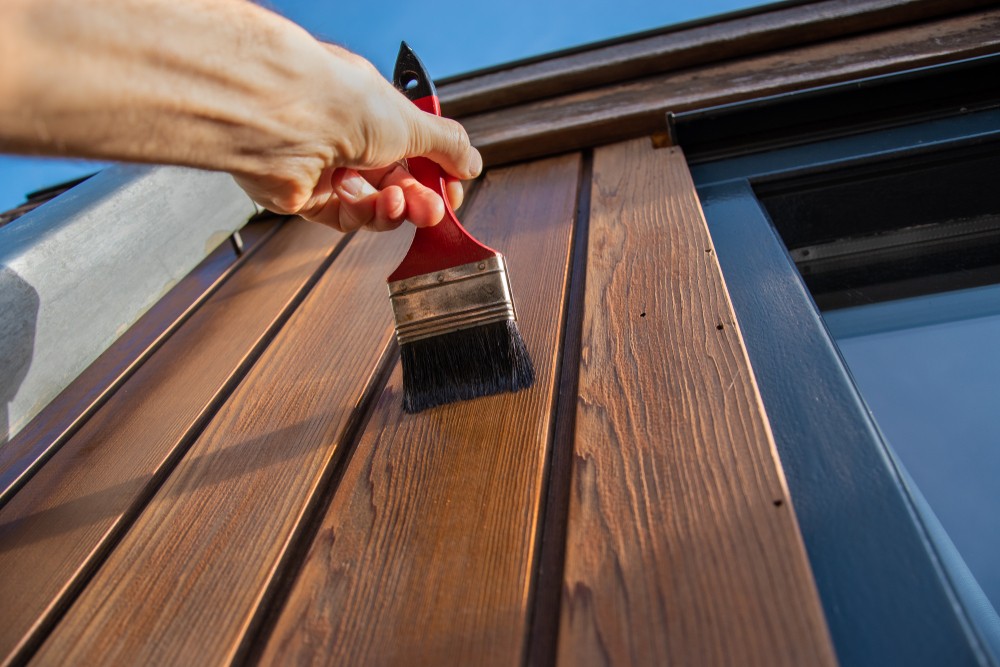
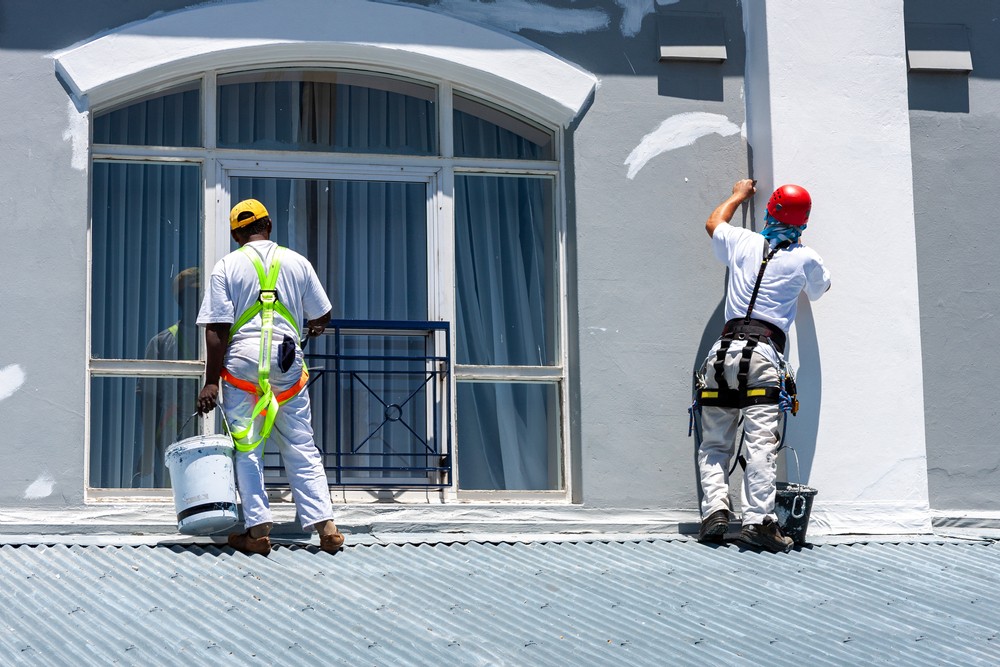
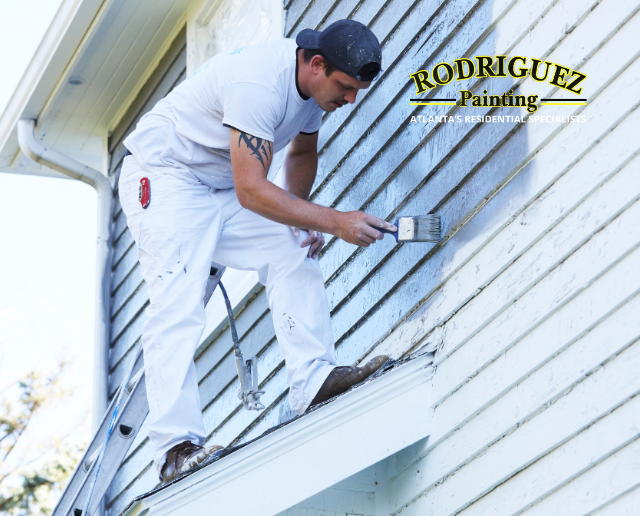
That makes sense because exterior painting is not just rolling paint. Exterior jobs require setup, protection of landscaping, cleaning, scraping, sanding, caulking, masking, priming, and careful detail work on trim and edges.
Hourly rates vary by market. A major marketplace reference lists exterior painter hourly rates that commonly fall within a broad range, with an average cited around 45 per hour and a range from about 25 to 75.
For Georgia homeowners, labor can shift based on local demand, travel time, the number of stories, and how much prep is needed.
What labor usually includes:
-
Cleaning and surface prep
-
Masking windows, hardware, and fixtures
-
Protecting landscaping and walkways
-
Scraping loose paint and sanding edges
-
Caulking gaps around trim and joints
-
Spot priming bare wood or repaired areas
-
Applying finish coats
-
Detail work on trim and edges
-
Cleanup and site walk through
If a quote is far below the market range, it may be missing prep time or it may assume one coat where two coats are needed.
Paint costs explained
Paint is not the biggest line item, but it is the part homeowners notice most because it is tangible.
Higher quality paint can cost more per gallon, but it often provides better coverage, better color retention, better adhesion, and better resistance to cracking and chalking.
Exterior paint selection also depends on surface type.
-
For wood siding, acrylic latex exterior paint is common due to flexibility and breathability.
-
For stucco and masonry, you may need a masonry compatible coating and a primer designed for alkaline surfaces.
-
For brick, cost guides cite per square foot ranges for painting brick exteriors similar to other surfaces, but the cost often rises with height and equipment needs.
Paint type affects the total budget, but prep and access usually drive the largest cost swings.
Prep work and repairs that change the quote
Prep work is where quality lives.
Many cost guides explicitly note that the amount of prep work, complexity, and accessibility are key drivers of exterior painting price.
If your exterior has peeling paint, the crew may need more scraping and sanding. If there is bare wood, primer is required. If there is wood rot, repairs must be handled before painting.
A good estimate should explain how repairs are handled, whether they are included, and how change orders work if hidden damage is found.
Prep items that commonly add cost:
-
Pressure washing or soft washing
-
Scraping peeling areas
-
Sanding to feather edges
-
Caulking gaps at joints and trim lines
-
Replacing small sections of damaged trim
-
Priming bare wood or stains
-
Sealing knots and resin bleed areas
-
Mildew treatment for shaded areas
-
Rust spot prep on metal elements
If a proposal does not mention prep, ask for clarification. Prep is often the difference between a finish that lasts and one that fails early.
Siding and surface types that affect price
Exterior paint pricing changes based on what you are painting.
Wood siding can be more labor intensive if there is old peeling paint. It often requires careful scraping and priming.
According to The Spruce the stucco and masonry can require special products and can be time consuming if there are cracks that need patching before painting.
Vinyl is sometimes not recommended to paint depending on condition and color change goals. If it is painted, proper surface cleaning and bonding primer matter.
Brick can be painted, but it is porous and can require more paint and careful prep. Cost guides for brick painting show per square foot ranges and note that multi story homes can cost up to 50 percent more due to equipment needs.
If your home has multiple materials, like brick on the first level and siding above, the estimate may use different pricing methods per surface.
Stories, height, and access costs
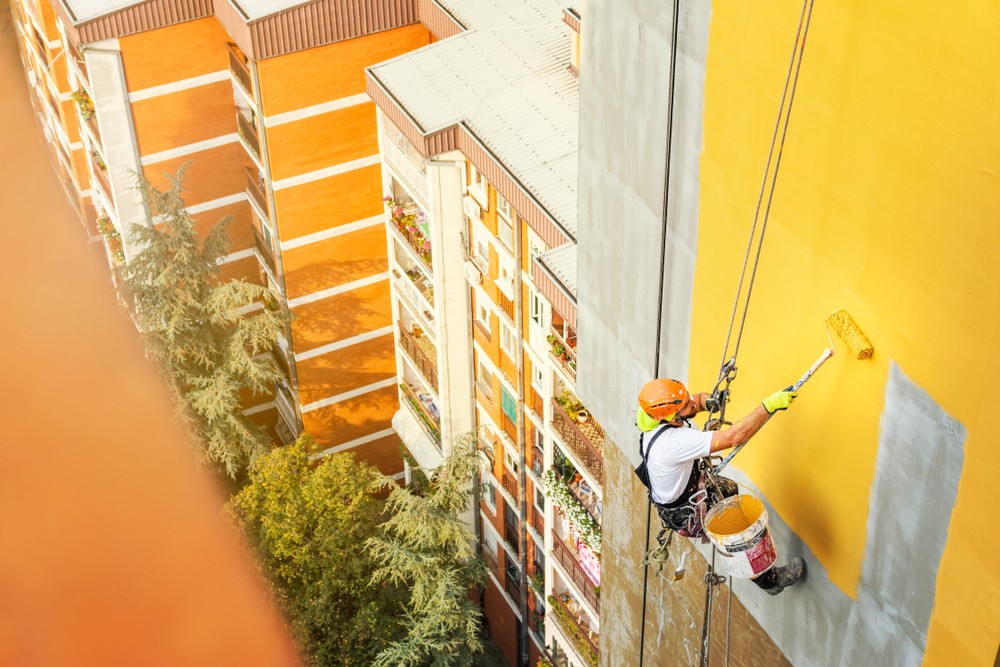
Two story and three story homes can cost more than one story homes even when square footage is similar.
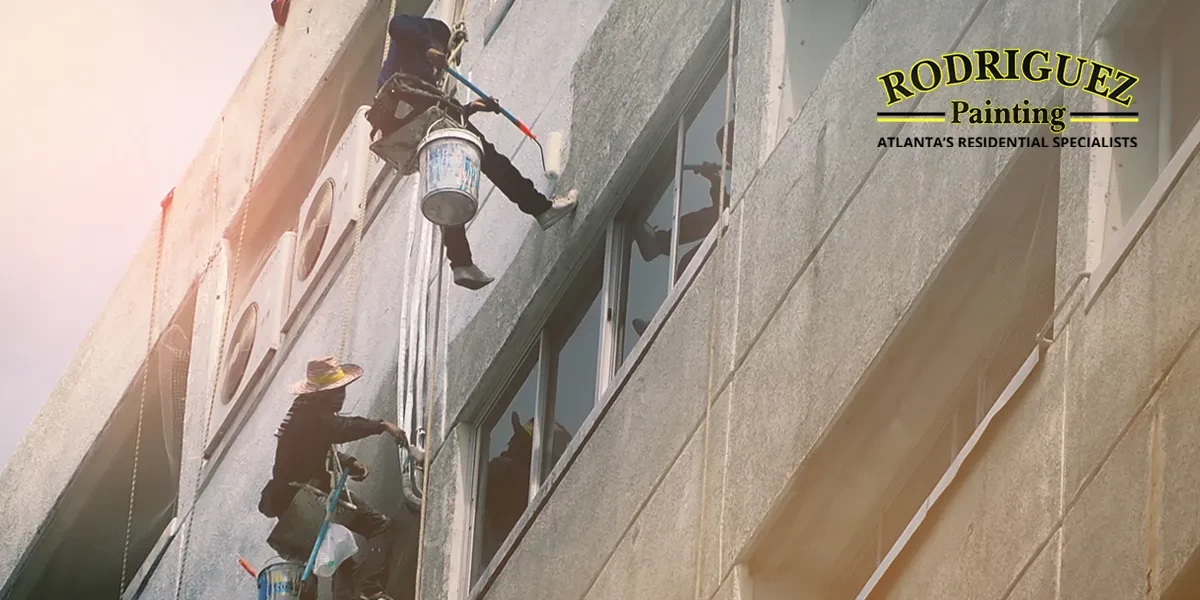
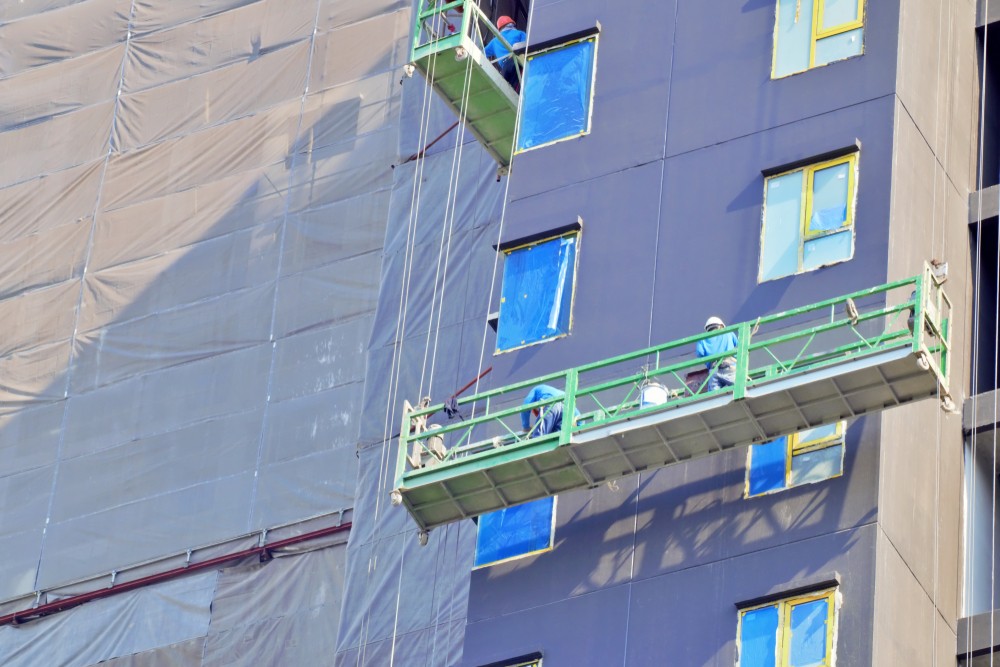
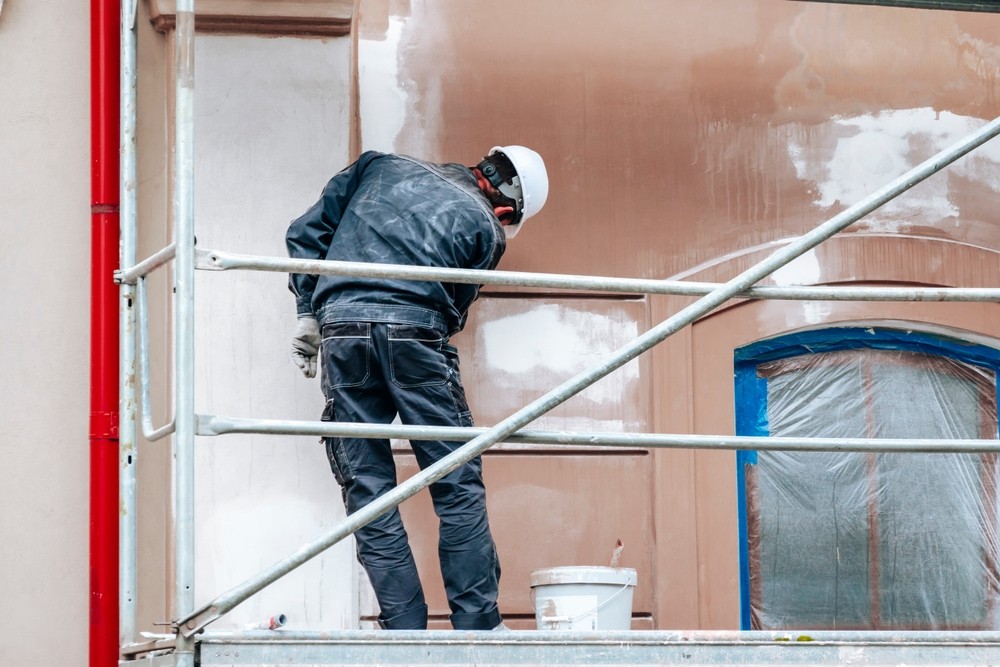
The reason is access. Ladder work is slower and riskier. Some areas may require scaffolding or lifts.
Cost guides frequently mention accessibility as a key driver of per square foot pricing.
More stories also usually means more trim and more edges, which increases detail time.
A clear estimate will state whether it includes painting dormers, gables, chimney structures, and high fascia areas.
Georgia climate and seasonal pricing factors
Georgia has humid summers and mild winters compared with many states. Humidity affects dry times and can affect the ideal painting window for exterior projects.
In practice, this means scheduling and product choice matter.
Exterior paint systems that resist mildew and moisture can perform better in shaded areas, especially on north facing walls.
Seasonal demand also changes labor availability. Peak months often book quickly. Off peak scheduling can improve availability and sometimes pricing.
How to estimate your exterior painting budget
You can create a reasonable estimate by using a simple process.
-
Identify your paintable surface area. This is different from your home floor space.
-
Choose a base per square foot range that matches your expected scope.
-
For many standard jobs, 1.50 to 4.00 per square foot is a common planning range for exterior painting.
-
If you expect heavier prep or complex access, consider a higher planning range.
-
List add ons.
-
Common add ons include doors, shutters, trim packages, fascia, soffits, and repairs.
-
Confirm coat count.
-
Two coat coverage is often needed for color changes and for better durability.
-
Request an itemized quote so you can compare scopes fairly.
.jpeg)
Cost examples for common Georgia home sizes
These examples are meant to help you think in ranges, not to replace a real estimate.
Example 1 smaller home with standard siding
Assume moderate prep and standard access.
If paintable surface area is about 1200 to 1800 square feet and pricing falls in the 1.50 to 4.00 range, a broad budget could be about 1800 to 7200 depending on prep, trim, and coat count.
Example 2 mid size home with more trim detail
If your project needs more prep and more trim detail, costs may align more closely with higher per square foot ranges in some guides.
Example 3 complex access or equipment required
If lifts or scaffolding are needed, some estimates may align with higher per square foot ranges that include those factors.
A marketplace guide cites a national average range for exterior painting cost and gives a typical overall band for many homeowners, which helps validate that broad project totals often land in the low thousands for typical homes.
Maximizing your painting investment
Exterior painting pays off best when it is treated like a system, not a single coat of color.
A good system includes prep, primer where needed, quality paint, and a realistic maintenance plan.
Best practices for long lasting results
Invest in quality preparation. Proper prep work can dramatically extend paint life because it improves adhesion and prevents premature peeling.
Choose appropriate paint grades. Match paint quality to exposure and use. Full sun walls, high moisture areas, and heavy weather sides benefit from higher performance exterior formulations.
Plan for regular maintenance. Small touch ups every few years can prevent a full repaint. This is especially helpful on trim edges and high exposure sides.
Consider climate factors. Georgia humidity makes mildew resistance and moisture control important, especially in shaded areas and around landscaping.
What long lasting exterior paint jobs typically have in common:
-
Proper cleaning before painting
-
Dry substrate before coating
-
Spot priming of bare areas
-
Caulking at joints and trim lines
-
Two finish coats where needed
-
Paint products designed for local exposure
When to schedule your project in Georgia
Timing affects cost, scheduling, and application quality.
Interior painting is often available year round, but exterior painting is more sensitive to weather and humidity.
Optimal timing for Georgia painting projects
Exterior painting often performs best when temperatures are moderate and humidity is manageable. Many homeowners schedule during spring or fall for this reason.
Avoid peak heat months if possible. High heat can affect working conditions and can change how coatings behave during application.
If you need summer painting, the right approach is to start early in the day, manage sun exposure walls, and use products appropriate for the temperature range.
Common mistakes to avoid
-
Choosing the lowest quote without confirming scope.
-
Skipping prep to save money. Prep is often the most important driver of durability.
-
Ignoring repairs. Painting over rot, loose caulk, or moisture issues usually leads to early failure.
-
Choosing the wrong sheen and product system for the surface. Exterior walls usually use lower sheen. Trim often uses a higher sheen for durability and cleanability.
-
Not planning for maintenance. Exterior paint is not permanent. A maintenance plan protects the investment.
At Rodriguez Painting Georgia you can hire our professional painters for a quick scope review and timeline, or request a free estimate. Call us at 678-355-6162 and get a free quote today.
Conclusion
The most accurate way to understand Georgia Exterior House Painting Costs is to focus on surface area, scope, and prep standards.
Most cost guides place the cost to paint exterior of house in a broad per square foot range that commonly starts around 1.50 and can rise above 4.00 depending on complexity.
Labor is usually the largest cost driver, and prep work and access often explain why quotes vary.
If you want long lasting results, prioritize prep, choose the right paint system for your surface, and schedule with Georgia climate in mind.
Ready to get an accurate exterior painting estimate for your Georgia home?
Contact Rodriguez Painting Georgia or call at 678-355-6162 to schedule a written, itemized quote.
FAQs
What is the average cost to paint exterior of house?
Many cost guides cite a typical range of 1.50 to 4.00 per square foot, with overall project totals varying widely based on scope and home size.
Why do exterior painting quotes vary so much?
Prep work, accessibility, number of stories, surface type, and whether trim and doors are included can change both labor hours and paint needs.
How much of the budget is labor?
Labor is often the largest share of professional painting, and some guides estimate labor can account for 70 to 80 percent of the total.
Is it worth paying more for better paint?
Higher quality paint often improves coverage and durability, which can reduce premature repainting, especially on sun exposed or high moisture sides.
What should I ask for in an exterior painting quote?
Ask what surfaces are included, how much prep is included, what products are included, and how many coats are included. This helps compare quotes fairly.