Homeowners across Georgia are increasingly asking one important question. What is the real cost to paint exterior of house in 2026, especially for a 3000 square foot home? Exterior painting is one of the most visible upgrades a property can receive, yet pricing often feels confusing and inconsistent.
Many homeowners receive estimates that look similar on the surface but differ greatly in what they include. One proposal may cover pressure washing, scraping, caulking, primer, and two coat coverage. Another may only include basic surface painting. Without understanding what drives exterior painting costs, it becomes difficult to compare quotes fairly.
This guide explains the cost to paint 3000 sq.ft. house exterior using updated market data, professional cost benchmarks, and real world factors that affect pricing in Georgia. It also explains how climate, materials, and preparation influence durability so you can plan wisely and avoid repainting sooner than expected.
To go into the exterior paint pricing and options, refer article to Exterior House Painting Costs Explained: Labor, Paint, and Square Foot Pricing, exploring what is the average cost to paint the exterior of a house.
Average Cost to Paint a 3000 Sq Ft Home Exterior in 2026
Most credible pricing guides publish exterior painting costs as either a total project range or a cost per square foot. According to Angi, exterior work commonly falls between about 1.50 and 4.00 per square foot, with higher pricing appearing when access is difficult, prep is heavy, or details like trim and windows add labor time.
Some paint service providers report even higher ranges in certain markets and scopes, especially when lifts or scaffolding are needed or when detailed trim is extensive.
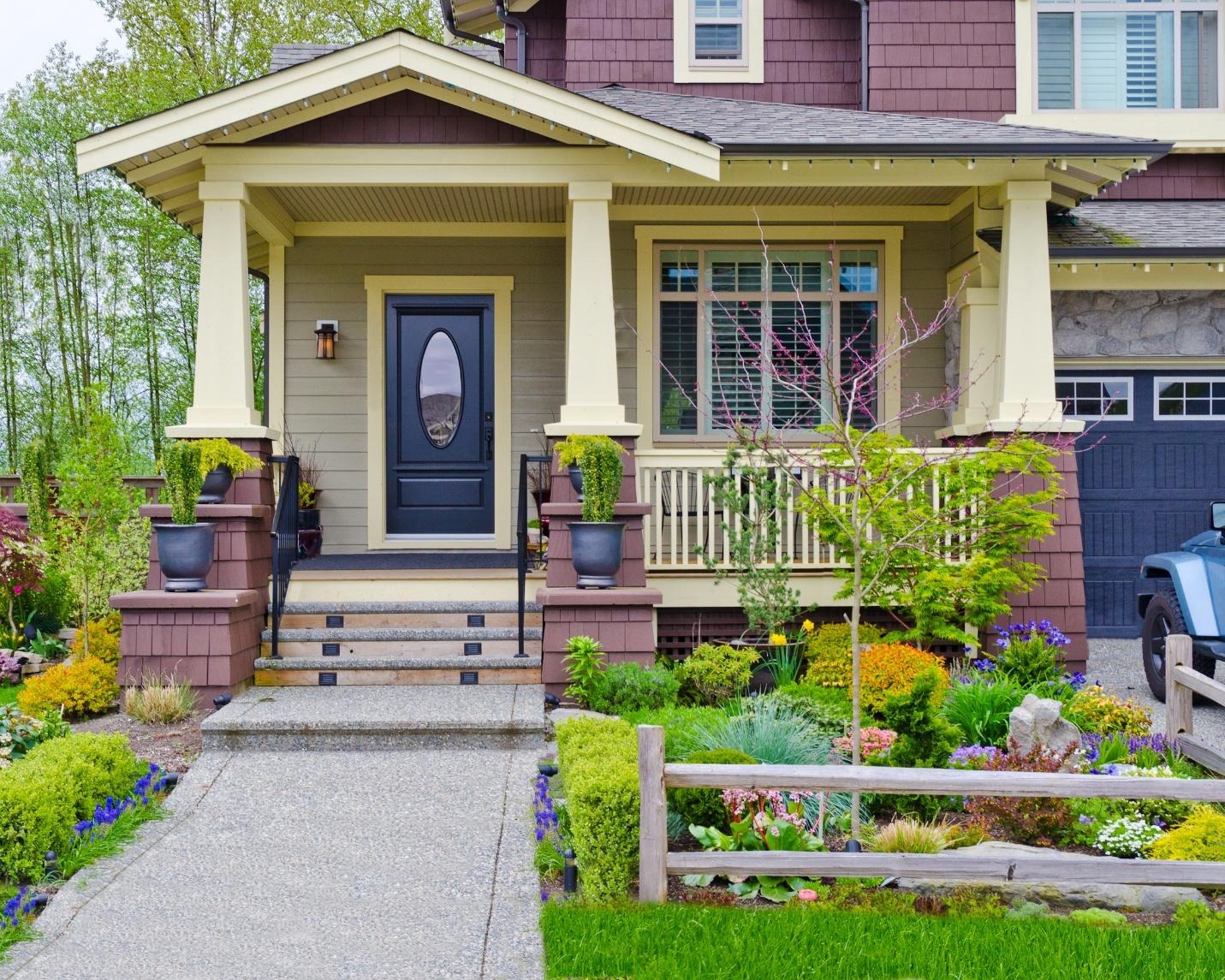
For a 3000 square foot home, that pricing framework often translates into a wide planning band. Many homeowners see totals that land somewhere between about 4500 and 15000, depending on the home’s layout, height, siding, repairs, and what is included in the scope.
In plain terms, a straightforward exterior repaint with minimal repairs can sit closer to the lower end. A complex two story or three story home with peeling paint, wood repairs, and extensive trim can sit closer to the upper end.
A useful way to plan is to treat this as a range, then narrow the range based on your home’s story count, siding type, and prep condition. That method creates a realistic budget before you start collecting bids.
Why 3000 Sq Ft Does Not Equal Paintable Exterior Area
Home size is usually described by interior living space. Exterior painting is priced based on paintable surface area. These are not the same measurement.
Two homes can both be 3000 square feet inside and still have very different exterior wall area outside. A tall two story home may have a smaller footprint but taller walls. A ranch style home may have a larger footprint and more linear wall length.
Architectural features change the numbers as well. Gables, dormers, porches, bay windows, garages, chimneys, and bump outs all add surface area and detail work. Detail work matters because it reduces how much can be efficiently sprayed and increases brush and roller time.
This is why professional painters measure the exterior or estimate wall surface area instead of relying on interior square footage alone. It is also why comparing two quotes without comparing scope can be misleading.
Exterior Painting Cost for a 3000 Sq Ft Home
The table below shows realistic planning ranges for a 3000 square foot home exterior based on common scopes of work.
|
Scope and Home Type |
Average Cost Range |
Cost Basis |
Notes |
|---|---|---|---|
|
Simple access, walls only |
4500 to 9500 |
1.50 to 3.50 per sq ft |
Minimal prep, fewer details |
|
Average two story, walls plus trim |
8500 to 14500 |
2.50 to 5.00 per sq ft |
Includes trim and cut in work |
|
Heavy prep, peeling paint, repairs |
12000 to 20000 |
Project total |
Scraping, priming, repairs |
These are not promotional numbers. They are practical ranges that help you plan. Your final quote can move outside these bands if your home requires specialized access equipment or significant repair work.
Wondering about pricing? Read our complete guide on exterior house painting costs, including labor and square foot estimates to plan your budget effectively.
What Drives the Cost to Paint Exterior of House in 2026
Number of Stories and Accessibility
Height changes everything. A one story home is simpler to prep and paint safely. A two story home introduces more setup time, more ladder work, and more caution around rooflines and power lines.
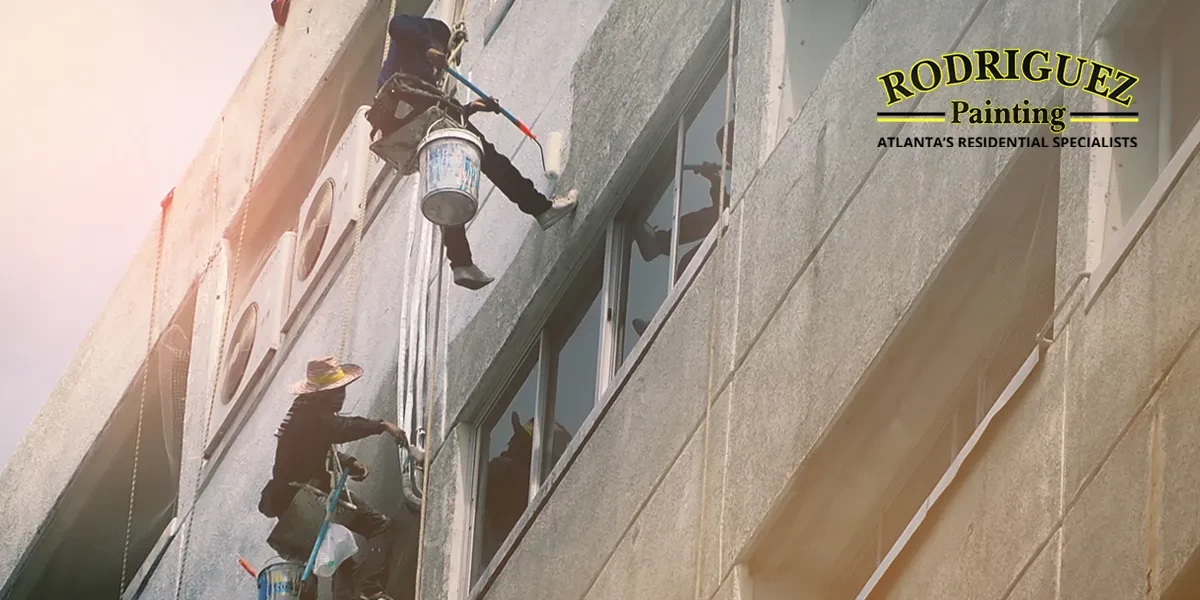
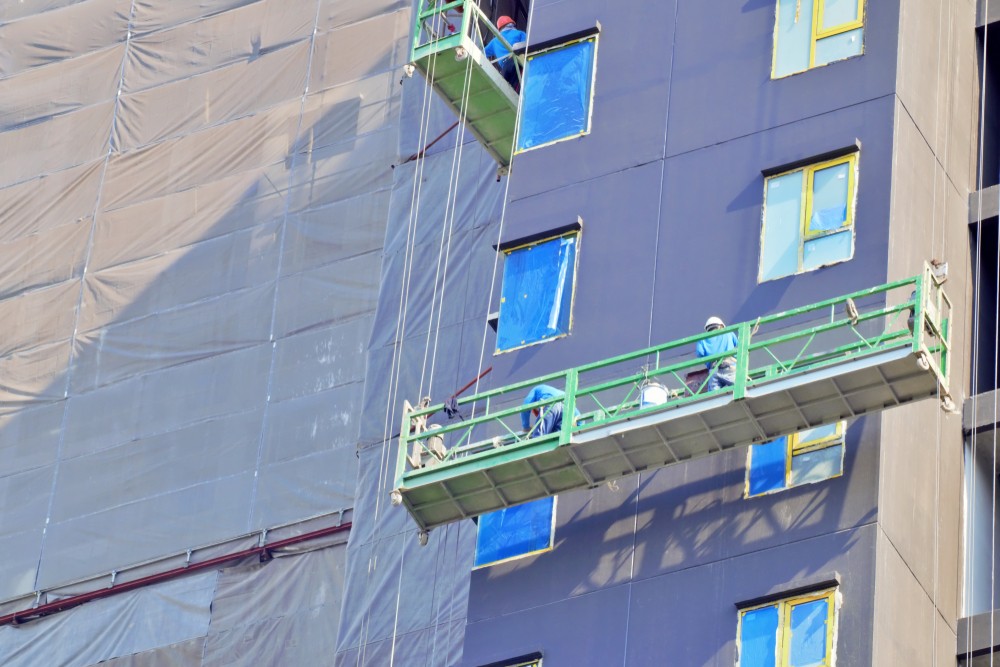
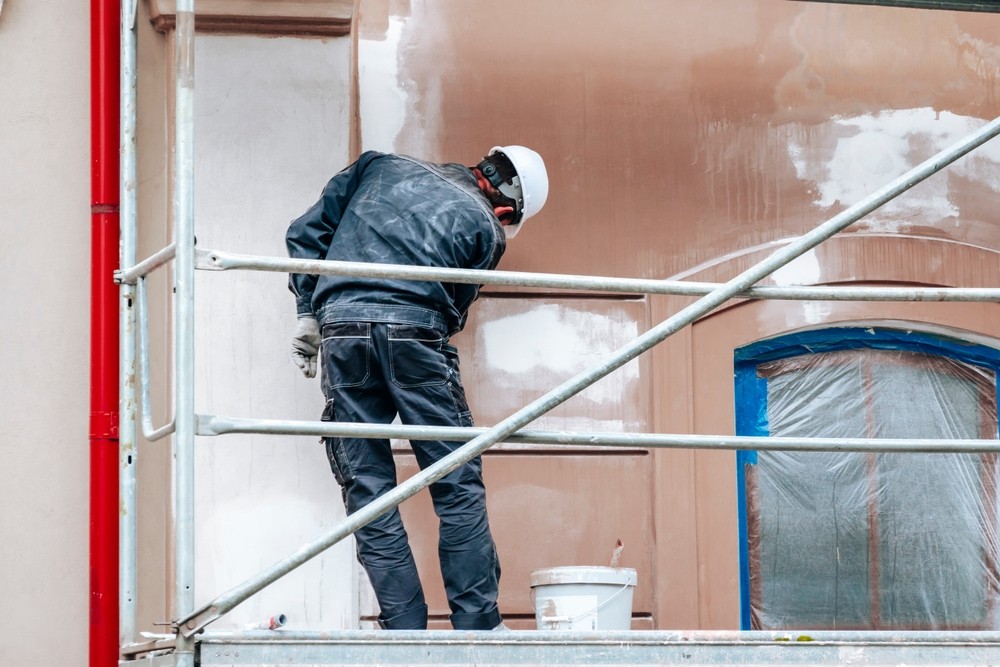
When painters need lifts or scaffolding, costs rise. Equipment adds expense. Setup and breakdown add labor time. Safety planning becomes more involved.
If your home sits on a slope, has tight landscaping, or has areas that are difficult to reach, the access factor becomes more important. Even a home with moderate paintable area can cost more if access is awkward.
This is one reason two 3000 square foot homes can receive very different quotes.
Siding Material and Surface Type
Siding type affects prep requirements and paint selection.
Wood siding often needs scraping, sanding, spot priming, and careful caulking. Wood expands and contracts more, so flexible exterior acrylic coatings matter.
Stucco can require different primers and coatings. Some systems focus on bridging hairline cracks and resisting moisture penetration. Texture also increases paint use because rough surfaces absorb more product.
Brick and masonry require breathable approaches and moisture planning. Coating selection matters because trapped moisture can cause long term issues.
Vinyl can be painted with the right products, but the coating must be compatible and the color choice must avoid heat related distortion risks.
HomeGuide describes how siding type affects per square foot costs and why some materials demand more prep or specialty coatings.
Surface Preparation and Repairs
Prep work is one of the biggest cost drivers and one of the most important quality drivers.
Pressure washing removes dirt and chalking. Scraping removes loose paint. Sanding smooths edges and improves adhesion. Caulking seals joints and gaps around trim and siding. Priming stabilizes bare wood and provides a reliable base for top coats.
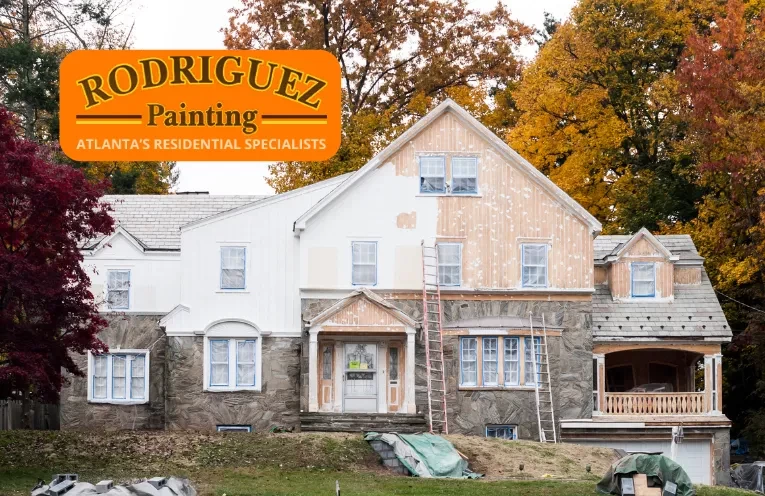
If your exterior has peeling paint, cracking, or exposed wood, prep will take time. If your exterior has wood rot, damaged fascia, or soft trim, repairs will add carpentry labor.
Many pricing guides highlight prep as a key factor because it directly impacts labor hours.
A helpful way to think about it is this. Paint is not just a color layer. Paint is a protective coating system. The system fails early when the surface is not properly prepared.
Paint Quality and Durability
Paint quality influences both cost and long term value. Higher grade exterior acrylic latex often provides better flexibility, better color retention, and better resistance to cracking. Georgia heat and humidity make mildew resistance and UV stability important. These are not marketing words. They are performance characteristics that influence how long the finish looks fresh.
Architectural Digest and This Old House both discuss how paint quality and labor affect pricing and why exterior work often costs more than interior projects.
Premium paint does not guarantee longevity on its own. Prep, primer selection, and application method still matter. But premium paint can reduce early fading and reduce maintenance frequency when the system is applied correctly.
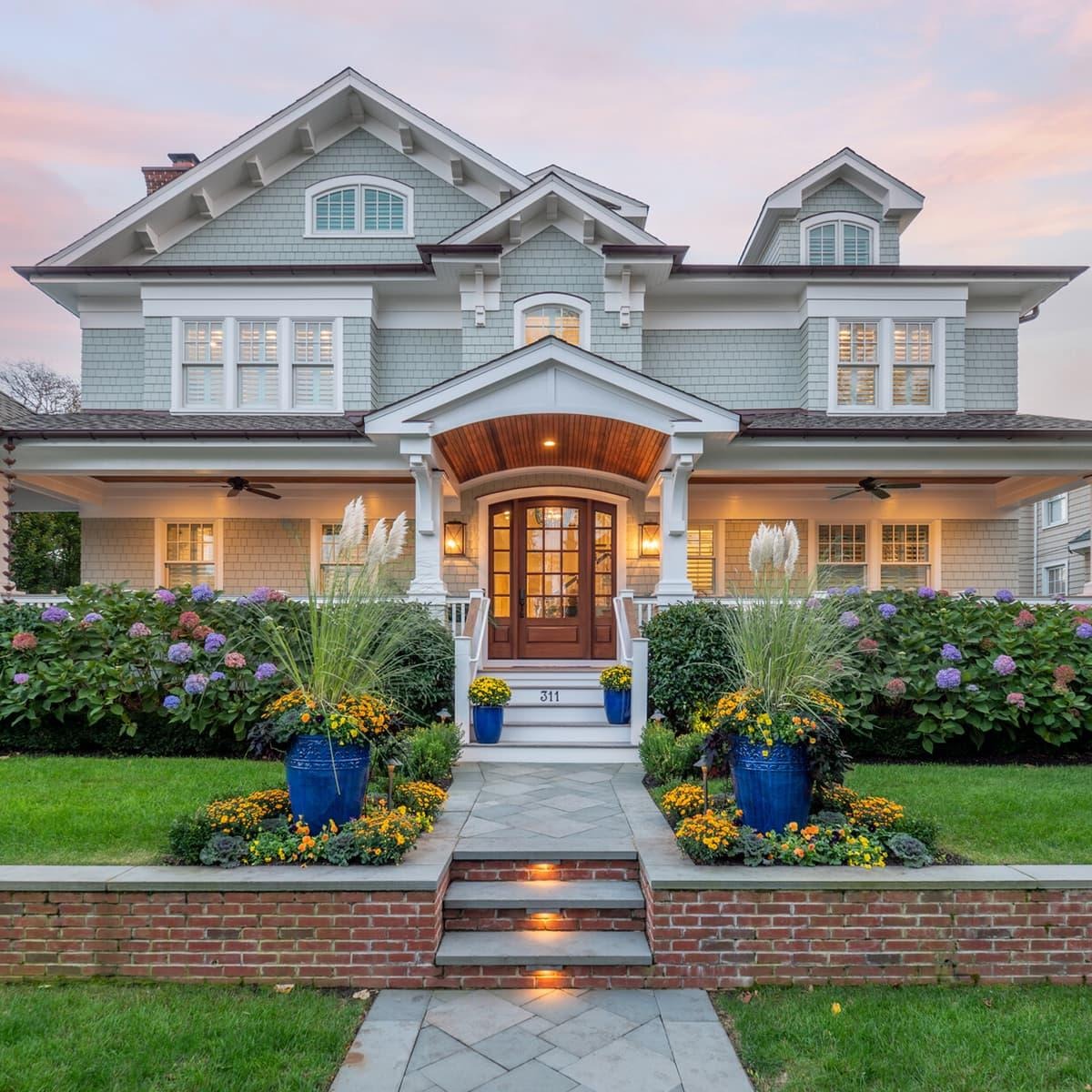
Color Changes and Coverage
Coat count matters. Dark to light color changes often require primer and extra coats. Deep colors can also require additional coats for consistent coverage, especially on porous or textured surfaces.
Most professional exterior jobs use two coat coverage for durability and consistent sheen. A single coat approach is rarely a value decision when the goal is a finish that lasts.
If a quote does not specify coats, ask for clarification. A low quote can sometimes be low because the scope assumes less coverage or less prep.
Trim, Fascia, Soffit, and Details
Exterior painting costs are not only about walls. Trim and detail surfaces take time. Cutting in around windows and doors requires careful masking and precision work. Fascia and soffit often require ladder work and edge detail. Shutters and doors may require separate prep and sanding.
These elements add labor hours. Labor is usually the largest share of the project. One home can have minimal trim. Another can have extensive decorative trim, multiple window styles, and complex fascia lines.
That difference changes the price even if the interior square footage is the same.
Regulations and Older Homes
If your home was built before 1978, lead based paint rules can apply when disturbing old coatings. Safe containment and cleanup procedures can increase labor time and cost.
This topic matters because it also helps you judge contractor quality. Reputable professionals account for safety requirements and do not treat them as optional.
Local Considerations in Georgia
Georgia weather plays a major role in exterior painting performance. Humidity slows curing and drying. Sudden storms can interrupt workdays. High pollen seasons can affect surface cleanliness if washing and drying are not timed correctly.
In coastal and high humidity areas, mildew resistance and moisture management matter more. In full sun exposures, UV resistance and color retention matter more.
If you live in a heavily shaded area or near dense landscaping, mildew and organic staining can become a recurring issue. Coating choice and maintenance planning become more important in those conditions.
Local labor rates also vary across Georgia. Metro areas generally price differently than smaller towns. Demand also changes by season. Spring and early summer often bring higher demand, which can tighten scheduling. This is why you can see price variation even within the same state.
What Does Exterior Painting Usually Include
When homeowners compare estimates, confusion often comes from scope differences. A clear scope usually includes these elements.
-
Surface cleaning and pressure washing when needed.
-
Scraping and sanding loose paint.
-
Caulking joints and trim gaps.
-
Spot priming bare wood or stained areas.
-
Masking windows, doors, and landscaping.
-
Two coat coverage on walls and specified trim surfaces.
-
Cleanup and debris removal.
Some quotes include minor repairs. Some separate repairs into a different line item. Ask which approach is being used so you can compare bids fairly.
If a quote does not mention prep, primer, or coat count, it is not detailed enough for accurate comparison.
How Much Paint Is Needed for a 3000 Sq Ft Home Exterior
This is a common question, and it helps homeowners understand material costs. Paint coverage varies, but many exterior paints cover roughly 250 to 400 square feet per gallon per coat. Porous and textured surfaces reduce coverage.
Stucco often requires more paint due to texture. Rough wood can also increase use. Primer adds additional gallons depending on the surface condition.
This is one reason painters prefer site evaluations rather than guesses. Material planning depends on paintable wall area, porosity, and coat count.
Materials are important, but labor usually dominates total price. Labor can represent a large portion of total exterior painting cost.
Exterior Painting in 2026: Why Prices Can Shift
Homeowners often ask why pricing changes year to year. Material costs can fluctuate due to manufacturing and supply conditions. Architectural Digest has discussed broader paint and coating price pressures in recent years.
Labor costs also shift. Skilled labor demand varies by season. Exterior painting is physically demanding and time sensitive, so availability can affect pricing.
In addition, homeowners are increasingly requesting higher performance products. Low odor, low VOC, mildew resistant systems, and longer warranty expectations can influence the typical scope.
These trends do not automatically mean every project costs more. But they do explain why estimates can differ by year and why a 2026 quote should be based on current conditions rather than old assumptions.
Practical Price Scenarios for a 3000 Sq Ft Exterior
This section helps you picture where your home may land in the range.
Scenario One: Simple One Story, Modern Siding, Minimal Prep
This home has easy access, limited trim, and stable coatings. The scope is walls and limited detail work.
Pricing is often closer to the lower portion of the range. The focus is efficiency and clean coverage.
Scenario Two: Two Story, Mixed Materials, Standard Trim Package
This home has average access, moderate trim, and typical prep needs like caulking and spot sanding.
Pricing often sits in the middle of the range. Masking and cut in work increase labor time.
Scenario Three: Peeling Paint, Wood Repairs, Heavy Prep
This home requires scraping, sanding, priming, and carpentry repairs. It may also require specialized access methods.
Pricing can move into the higher portion of the range because prep and repairs drive labor hours.
This is why prep condition matters as much as home size.
Maximizing Your Exterior Painting Investment
Exterior painting should be viewed as a protective upgrade, not just a color upgrade.
If you invest wisely, you can extend the repaint cycle and reduce future maintenance costs. If you rush prep or choose an incomplete scope, you may repaint sooner than expected.
Best Practices for Long Lasting Results
Investing in proper preparation significantly extends paint life. Industry studies show that thorough prep can nearly double coating longevity.
Selecting paint grades based on exposure and siding type ensures consistent performance. High sun and moisture areas benefit from premium formulations.
Planning routine maintenance also matters. Annual inspections and small touch ups prevent moisture intrusion and surface breakdown.
Climate awareness is essential in Georgia. Moisture resistant paints help shaded and north facing surfaces resist mildew growth.
When to Schedule Your Project in Georgia
Exterior painting is weather sensitive. Spring and early summer are popular because conditions often support consistent dry time. Demand is also high, which can limit scheduling flexibility.
Fall can be an excellent window in many areas. Temperatures are often moderate and humidity can be more manageable.
The hottest months can create application challenges. High heat can affect working time and can create difficulties with certain coatings if applied in direct sun during peak temperatures.
A professional plan considers dew, shade patterns, and daily temperature swings. This helps the coating cure properly. Scheduling is not only about comfort. It is about finish performance.
How Professionals Estimate Exterior Painting Costs
Professional estimates begin with a site evaluation. Painters assess siding condition, previous coatings, and repair needs. They confirm colors, included surfaces, and number of coats.
Paint quantity is calculated using coverage rates, typically 250 to 400 square feet per gallon per coat. Rough surfaces reduce coverage and increase material needs.
Labor remains the largest portion of total cost. This is why access difficulty and prep requirements influence pricing so heavily.
DIY vs Professional Exterior Painting
Some homeowners consider DIY to save money. DIY exterior painting can reduce labor cost, but it increases risk and time commitment. Ladder safety becomes a serious issue for two story homes. Surface preparation can take longer than expected. Equipment and masking requirements are often underestimated.
Professionals bring systems and experience. They understand how to prep different siding types. They know when primer is necessary. They manage masking more efficiently. They apply coatings consistently to reduce lap marks and uneven sheen.
If you choose DIY, the main risk is not only the final look. The main risk is durability. A beautiful finish that fails early is not a cost saving outcome.
At Rodriguez Painting Georgia you can hire our professional painters for a quick scope review and timeline, or request a free estimate. Call us at 678-355-6162 and get a free quote today.
Conclusion
The cost to paint exterior of house in 2026 for a 3000 square foot home should be planned as a range rather than a fixed number. Most homeowners fall between the mid thousands and mid teens depending on stories, siding, repairs, and detailing.
Clear scope definitions, proper prep, and quality materials matter more than choosing the lowest estimate. Exterior painting is a long term investment in your home’s protection and appearance.
To go into the exterior paint pricing and options, refer article to Exterior House Painting Costs Explained: Labor, Paint, and Square Foot Pricing, exploring what is the average cost to paint the exterior of a house.
Ready to get an accurate exterior painting estimate for your Georgia home?
Contact Rodriguez Painting Georgia today or call at 678-355-6162 to receive a detailed, written quote tailored to your property.
FAQs
What is the average cost to paint 3000 sq.ft. house exterior in 2026?
Many credible sources place exterior painting between about 1.50 and 4.00 per square foot, which often translates into roughly 4500 to 15000 for a 3000 square foot home depending on scope and complexity.
Why do exterior painting quotes vary so much?
Quotes vary due to story count, access difficulty, siding material, prep work, repairs, included surfaces, and coat count. Heavy prep and repairs can raise labor time significantly.
Does painting include pressure washing and caulking?
Many professional scopes include cleaning and caulking, but not all. You should ask for a written scope that lists prep steps and whether pressure washing and caulking are included.
Is two coat coverage necessary for exterior painting?
Two coat coverage is common for durability and uniform finish, especially when changing colors or covering porous surfaces. Ask your contractor to specify coats and primer use in writing.
When is the best time to paint exteriors in Georgia?
Many homeowners schedule exterior painting in spring or fall because conditions often support steady curing. Weather, humidity, and storms still matter, so scheduling should be built around dry time windows.