Painting the outside of a home is one of the fastest ways to improve curb appeal. It also protects siding from sun, rain, humidity, and seasonal temperature changes.
If you are researching the cost to paint the exterior of a house in Georgia, you will quickly notice wide price ranges. That is normal. Exterior pricing depends on surface area, siding type, prep work, number of stories, paint system, and access.
This guide focuses on one common scenario. A 1,200 square foot house. It explains what changes the price, how contractor quotes are built, and what DIY really costs when you include supplies, equipment, and time.
You will also see how the cost to paint a 1200 sq ft house exterior compares between DIY and professional crews, so you can choose the option that fits your budget and your risk tolerance.
To go into the exterior paint pricing and options, refer article to Exterior House Painting Costs Explained: Labor, Paint, and Square Foot Pricing, exploring what is the average cost to paint the exterior of a house.
Quick pricing reality check for a 1,200 square foot home
Many homeowners assume 1,200 square feet equals 1,200 square feet of paint area. Exterior quotes usually work differently.
Contractors price by paintable surface area. A 1,200 square foot house often has significantly more exterior wall surface than the floor area, especially with gables, bump outs, and attached garages.
That is why price ranges are usually shown as cost per square foot of paintable surface, not cost per floor area.
Angi commonly cites exterior painting ranges around $1.50 to $4.00 per square foot for many homes, with wide variability based on prep and access.
Other cost calculators and market guides show higher ranges when extensive prep, detail work, or difficult access is involved.
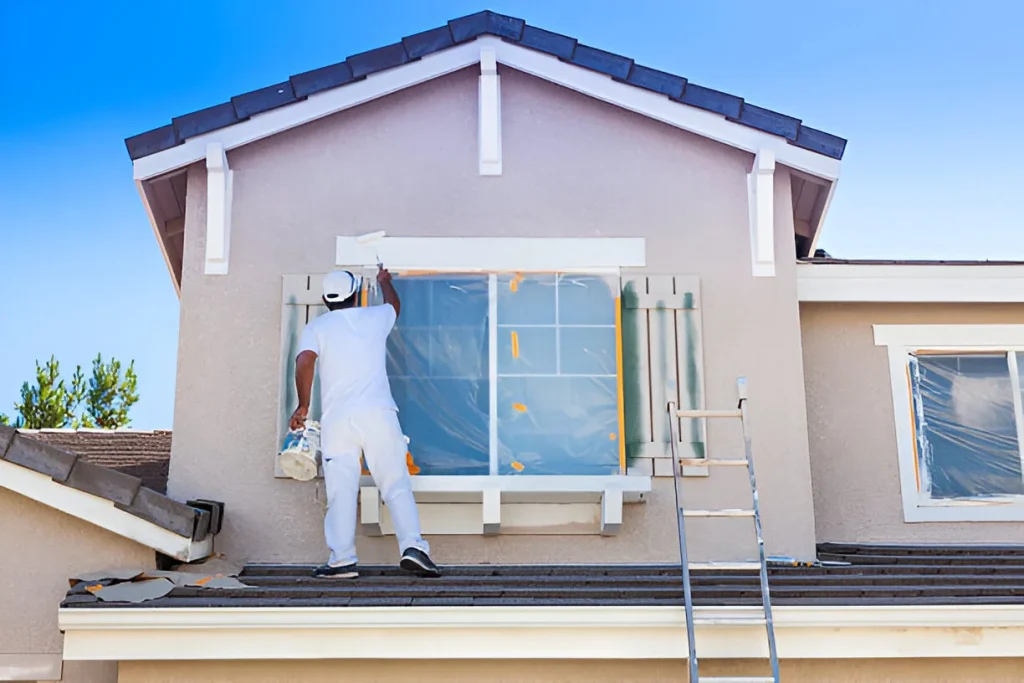
Average cost to paint exterior of house in Georgia for 1,200 square feet
For a typical one story 1,200 square foot home in Georgia, a reasonable planning range for professional exterior painting often falls into these buckets.
Basic repaint with standard prep, average access, and common siding. Often aligns with $1.50 to $4.00 per square foot of paintable area.
Higher prep needs, detailed trim, multiple colors, repairs, or hard access. Can move toward higher published ranges from cost guides and brand service pages that reflect more comprehensive scopes.
Location matters too. Georgia labor rates vary by region. Metro areas and higher demand seasons may price higher. Off season scheduling can improve availability and sometimes pricing.
Exterior painting pricing for Georgia planning
This table is designed for homeowner planning. It is not promotional. It reflects common ranges published by major cost references and the variables they highlight such as surface area, stories, prep, and siding type.
|
Area or Scope |
Average Cost Range |
Typical Cost Basis |
Notes |
|---|---|---|---|
|
Siding walls only, basic repaint |
$1.50 to $4.00 per square foot |
Paintable surface area |
Range widely cited by major cost guides |
|
Siding plus trim and fascia |
$2.20 to $4.37 per square foot |
Paintable surface area |
Homewyse style ranges reflect site conditions and options |
|
Rough surfaces like stucco or textured siding |
$2.84 to $5.28 per square foot |
Exterior wall surface |
Rough materials often require more paint and labor |
|
Contractor total ballpark for many homes |
$600 to $7,700 |
Whole project |
Wide range reflects home size, stories, prep, and paint choice |
|
DIY supplies and materials only |
About $500 to $2,400 |
DIY project range |
Varies with sprayer use, equipment, repairs, and paint quality |
Contractor vs DIY at a glance
The biggest difference is not only money. It is time, risk, finish quality, and how long the paint job lasts.
Professional crews typically include full surface prep, safer access methods, faster completion, and predictable results.
DIY can reduce labor spend. It can also increase timeline and risk, especially around ladders, lead paint, and weather timing.
Major cost sources explain that hiring a pro adds cost but reduces hours of prep, painting, and cleanup, and can be safer for exterior work at height.
What a contractor quote usually includes
When homeowners compare quotes, the most important step is confirming what is included.
A good exterior proposal usually clarifies these items:
-
Surface preparation
-
Pressure washing or cleaning
-
Scraping loose paint
-
Sanding and feathering edges
-
Caulking gaps
-
Minor patching and repairs
-
Spot priming or full primer coat when needed
-
Masking and protection
-
Covering landscaping
-
Masking windows, doors, fixtures
-
Protecting walkways and patios
-
Paint system
-
Type of exterior paint such as acrylic latex
-
Number of coats
-
Color changes and coverage assumptions
-
Finish selection for trim and doors
-
Access and safety setup
-
Ladders
-
Scaffolding or lifts if needed
-
Work at heights precautions
-
Cleanup and disposal
-
Paint chips and debris removal
-
Final touch ups
-
Site cleanup
These details matter because the cost to paint the exterior of a house is strongly driven by prep and access, not only by paint gallons.
Key cost factors that change the price for a 1,200 square foot exterior
Paintable surface area, not floor area
A 1,200 square foot floor plan can have more or less exterior wall area depending on shape and rooflines.
A simple rectangle is usually cheaper than a design with many corners and gables.
Number of stories and height
A two story home requires more ladder time and creates more safety planning. That increases labor.
Even on a one story home, high gables or steep slopes can push pricing upward.
Siding material and texture
Smooth siding tends to be faster to paint and uses less product.
Rough textures like stucco and some masonry surfaces can reduce paint coverage and increase time.
Some guides note higher per square foot costs for exterior wall painting in ranges that reflect these surface differences.
Condition of the existing paint
If the old paint is peeling, chalking, or failing, prep becomes heavier. That can add a meaningful percentage to labor.
A contractor may recommend a bonding primer or a full primer coat to stabilize the surface.
Trim, fascia, soffits, and doors
Trim work is detail heavy. It involves masking, cutting lines, and multiple finish types.
More trim and more windows usually means higher labor time.
Color changes and multiple colors
A dramatic color change can require more coats.
Multiple colors increase masking time. That increases labor.
Weather and timing
Exterior paint is sensitive to heat, humidity, rain, and wind.
Georgia summers can be humid and hot. That can affect drying and cure times, and it may change scheduling strategies.
Some Georgia focused guidance emphasizes moisture resistance and mildew resistance as important performance factors in humid conditions.
Contractor cost breakdown example for a 1,200 square foot exterior
This is a planning breakdown to help you understand where the money goes.
Labor:
Labor is often the largest portion. It includes prep, masking, application, and cleanup.
Materials:
-
Exterior paint, primer, caulk, patch materials
-
Plastic sheeting and masking supplies
-
Brushes, rollers, sprayer tips
-
Cleaning solutions
Access:
-
Ladders or ladder stabilizers
-
Possible scaffold or lift rental for hard access areas
Repairs:
-
Wood rot replacement
-
Stucco patching
-
Siding fixes
-
Caulk replacement at joints and trim
Many cost sources highlight that prep needs, number of stories, and siding type are major drivers of final price.
DIY cost breakdown for exterior painting
DIY is often described as cheaper, and it can be. But the total depends on your equipment choices and how much prep is needed.
Typical DIY costs
Paint and primer:
Exterior paint is more expensive than interior paint. Higher quality exterior paint can last longer and resist fading.
Supplies:
-
Brushes, rollers, extension poles
-
Painter tape, masking plastic, drop cloths
-
Caulk and patch materials
-
Sandpaper, scrapers, wire brushes
-
Cleaning products
Equipment:
-
Pressure washer rental or purchase
-
Paint sprayer rental or purchase
-
Ladders and stabilizers
-
Safety gear such as respirator and eye protection
DIY exterior painting costs can range from about $500 to $2,400 including materials, while professional services are often higher.
Sprayers can use significantly more paint due to overspray, while brushing and rolling typically uses paint more efficiently.
The hidden cost of DIY is time
DIY exterior painting is slow. You are doing setup, prep, repairs, masking, two coats, trim detail, and cleanup. That is before weather delays.
A professional crew can often complete the same scope faster due to equipment, workflow, and manpower.
Safety is a real cost
Exterior work often involves ladders, uneven ground, and proximity to power lines. Some safety guidance highlights hazards in painting work, including working at heights.
Even for homeowners, it is important to treat exterior work as a safety project, not only a paint project.
Lead paint risk in older homes
If your home was built before 1978, lead based paint can be a concern. Checking the age of the home and using lead safe practices, and it provides guidance for doing it yourself work as well.
This matters because scraping and sanding can create hazardous dust and can require specialized containment steps.
If you suspect lead paint, hiring a certified professional is often the safer choice.
The size of your home and the condition of its exterior can have a significant impact on painting costs. Learn how square footage, preparation work, and materials affect pricing in our detailed exterior painting cost breakdown.
Which option gives better value in Georgia, contractor or DIY
The best choice depends on your goals. If your priority is minimizing out of pocket spend and you have time, DIY can work. It can also be a good option for small exteriors, simple one story layouts, and surfaces in good condition.
If your priority is durability, speed, and reduced risk, a contractor often delivers better value, especially in these cases.
-
Two story homes or steep slopes
-
Heavy peeling paint or wood damage
-
Large surface areas with complex trim
-
You need the job done on a timeline
-
You want warranty style accountability and consistent finish quality
Professional painters often have better equipment and experience to complete exterior painting faster and with reliable results, compared to many DIY situations.
Realistic scenarios for a 1,200 square foot home
Scenario A: DIY, simple one story, siding in good condition
You clean the exterior, do light scraping, caulk small gaps, and paint using brush and roller.
Costs may sit in the lower half of DIY ranges, especially if you already own ladders and basic tools.
Time can still be significant, especially if you are working weekends.
Scenario B: DIY with sprayer and heavy prep
You rent a sprayer, do significant scraping, and repaint multiple sides with two coats.
This can increase paint usage and material costs. Sprayer overspray can waste paint and increase masking needs.
Scenario C: Contractor repaint with standard prep
A crew washes, scrapes, caulks, primes, and applies two coats of a quality exterior system.
This often aligns with the widely cited professional range per square foot, with final price dependent on trim and access.
Scenario D: Contractor repaint with repairs
Wood rot, stucco cracks, or failing paint increases prep and repair time.
Rough surfaces and repairs often push pricing upward within published ranges.
How to estimate paint quantity for planning
Paint quantity impacts DIY budgets and contractor material lines.
Many guides use a rule of thumb around 350 to 400 square feet per gallon per coat on smooth surfaces, with lower coverage on rough surfaces.
A two coat system doubles the paint need. Textured materials like stucco can reduce coverage. That means more gallons.
This is one reason two houses with the same floor size can have different exterior paint costs.
Georgia specific considerations that affect exterior painting durability
Georgia weather includes heat, UV exposure, and humidity. That combination can stress exterior finishes.
Moisture resistance helps prevent blistering and mildew. Acrylic latex systems are commonly recommended for flexibility and humidity resistance in many climates, including humid regions.
It also helps to plan for proper dry time. Late day storms and high humidity can affect cure.
Scheduling around the best weather windows is often part of getting a long lasting exterior finish.
Category
Contractor Painting
DIY Painting
Upfront cost
Higher due to labor
Lower cash cost, higher time cost
Speed
Faster completion with crew workflow
Slower, often multiple weekends
Prep quality
Typically consistent and included in scope
Varies by skill and time available
Safety
Professional equipment and procedures
Higher risk on ladders and heights
Finish consistency
More even coverage and cut lines
Depends on experience and method
Paint usage
Controlled, less waste
Sprayer use may increase waste
Risk of rework
Lower when prep and coating system are correct
Higher if prep or weather timing is weak
Maximizing your painting investment in Georgia
A paint job is only a good deal if it lasts.
The goal is not only a fresh color. The goal is durable protection.
Best practices for long lasting results
Invest in quality preparation:
Prep is where longevity starts. Cleaning, scraping, sanding, and priming help the coating bond and reduce early failure. Many cost sources emphasize prep as a major cost driver because it matters for performance.
Choose appropriate paint grades:
Exterior products are designed for UV resistance, flexibility, and moisture. Higher grade paints can reduce fading and chalking.
Plan for regular maintenance:
Exterior paint lasts longer when small issues are addressed early. Touch ups and caulk checks help prevent moisture intrusion and peeling.
Consider climate factors:
Humidity and rain patterns make moisture resistance important in Georgia. Acrylic latex systems and mildew resistance features can help.